 By Ava Walters
In a world increasingly aware of environmental impact and energy efficiency, solar powered vents present an innovative solution to improving indoor air quality. As concerns over energy consumption and sustainability grow, many are turning to renewable energy sources in everyday applications. From residential homes to commercial buildings, solar powered vents offer a sustainable avenue for ventilation, ensuring fresh air circulation while minimizing carbon footprints. This article explores the benefits, functionality, and considerations when upgrading to solar powered vents.
Understanding Solar Powered Vents
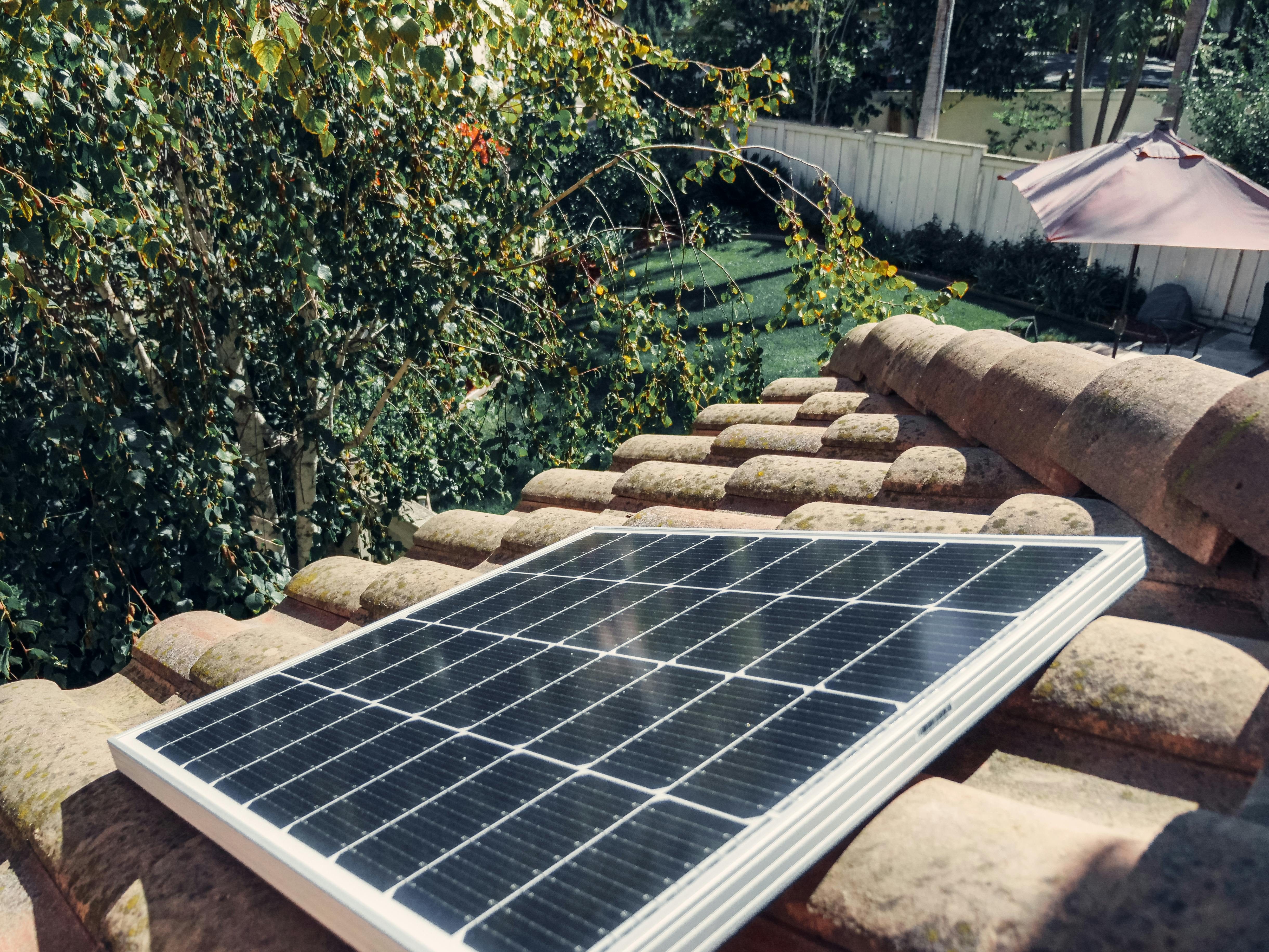
Solar powered vents utilize solar energy to operate ventilation fans. By harnessing the sun’s power, these vents actively contribute to maintaining optimal indoor air quality without relying on traditional electricity, thus reducing energy costs and environmental impact. The technology involves photovoltaic panels that convert sunlight into electrical energy, which in turn powers the vent fans.
Key Benefits of Solar Powered Vents
- Energy Efficiency: Solar powered vents decrease reliance on conventional energy sources, leading to significant cost savings on electricity bills. Find additional information here.
- Environmental Impact: Utilizing renewable energy reduces greenhouse gas emissions, contributing to a greener planet.
- Improved Air Quality: These vents effectively remove stale air, moisture, and pollutants, enhancing indoor air quality and overall health.
- Low Maintenance: With fewer mechanical components than traditional systems, solar powered vents require minimal upkeep.
- Quiet Operation: Designed for noise reduction, solar vents provide a quieter alternative to conventional ventilation solutions.
Installation Considerations
Upgrading to solar powered vents requires careful planning and consideration of several factors to ensure maximum efficiency and effectiveness. Proper installation is crucial to harness the full potential of solar energy.
Placement and Orientation
- Sunlight Exposure: Install vents in areas with optimal sunlight exposure to maximize energy generation. Consider roof pitch and orientation for best results. Learn more in this detailed guide.
- Adequate Ventilation: Ensure vents are strategically placed to allow for adequate airflow throughout the building, targeting key areas prone to moisture and stale air.
System Size and Capacity
- Building Size: The size and capacity of the vent system should match the building’s ventilation needs. Larger spaces may require multiple units for effective coverage.
- Fan Power: Consider the power output of the solar fans to ensure they can handle the airflow requirements. Explore further insights here.
Economic and Environmental Impact
Switching to solar powered vents offers both economic and environmental advantages. By reducing energy consumption and leveraging renewable resources, users can lower their carbon footprint and contribute to broader sustainability goals.
- Cost Savings: Over time, the reduction in energy bills can offset the initial investment in solar powered vents, potentially leading to long-term savings.
- Environmental Stewardship: Embracing solar technology reflects a commitment to environmental responsibility, aligning with global efforts to combat climate change. Read more about this topic.
Final Thoughts
Embracing solar powered vents is a step forward in achieving better indoor air quality while adhering to sustainable practices. These systems offer an effective and efficient way to ensure continuous ventilation, improving comfort and health in residential and commercial settings. With considerations for installation, economic benefits, and environmental impact, solar powered vents stand out as a viable solution for eco-conscious individuals and businesses. As technology continues to evolve, the potential for enhanced efficiency and broader application of solar powered systems remains promising. Explore further insights here.