 By Ava Walters
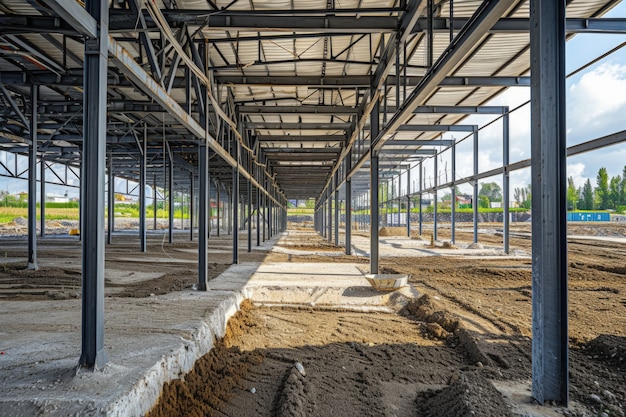
Foundation underpinning is a crucial process in building construction and maintenance, particularly for structures experiencing settlement or instability. This comprehensive guide aims to demystify the various methods of foundation underpinning, providing insights into when and why each technique is used. Understanding these methods is essential for anyone involved in construction, building maintenance, or property investment, as it ensures the longevity and safety of a building. Whether dealing with a residential property or a commercial building, choosing the right underpinning method can make a significant difference in structural integrity.
What is Foundation Underpinning?
Foundation underpinning is a process used to strengthen and stabilize the foundation of an existing building. It involves extending the foundation depth or distributing the load across a larger area, which can address issues related to shifting soil, poor initial construction, or increased load requirements.
Common Reasons for Underpinning
- Soil instability or erosion under the foundation
- Increased load-bearing requirements due to building modifications
- Substandard construction practices leading to weak foundations
- Environmental factors, such as flooding or earthquakes, causing foundation movement
Popular Underpinning Methods
There are several underpinning methods available, each suited to different scenarios. Understanding these methods helps in selecting the most appropriate solution for foundation issues.
Mass Concrete Underpinning
One of the oldest and most traditional methods, mass concrete underpinning involves excavating sections beneath the existing foundation and filling them with concrete. This method is straightforward and cost-effective for shallow foundations but may not be suitable for deep or heavily loaded structures. Explore advanced guides and tips on this method to understand its applications.
Beam and Base Method
The beam and base method involves constructing a concrete beam below the foundation, which helps distribute the load more evenly. This technique is often used when the existing foundation is not deep enough or when there is a need to bridge over weak or voided areas. Find out more about this approach to determine its suitability for specific projects.
Mini-Piled Underpinning
Mini-piling is ideal for situations where access is limited or where the soil conditions are challenging. This method uses small-diameter piles driven deep into the ground to support the foundation. It’s particularly useful for buildings on expansive clay soils or areas with high water tables. Discover expert strategies here to learn about the benefits of mini-piled underpinning.
Resin Injection Underpinning
Resin injection is a modern technique that involves injecting a high-strength resin into the ground to stabilize and lift the foundation. This method is minimally invasive, quick, and suitable for light to moderate settlement issues. Learn about our tailored solutions for resin injection and its effectiveness.
Choosing the Right Underpinning Method
Selecting the appropriate underpinning method depends on several factors, including:
- The soil type and condition
- The depth and type of the existing foundation
- The load requirements of the structure
- Access limitations and site constraints
For further insights and professional recommendations, explore advanced guides and tips that provide a deeper understanding of each method’s applications.
Conclusion
Foundation underpinning is a vital process for ensuring the stability and safety of a building. By understanding the different methods and their applications, property owners and construction professionals can make informed decisions that enhance the structural integrity of their buildings. For real-life experiences and feedback, check out customer reviews here to see what others are saying about these services. The choice of underpinning method should always align with the specific needs and conditions of the project, ensuring optimal results and long-term stability.