 By Ava Walters
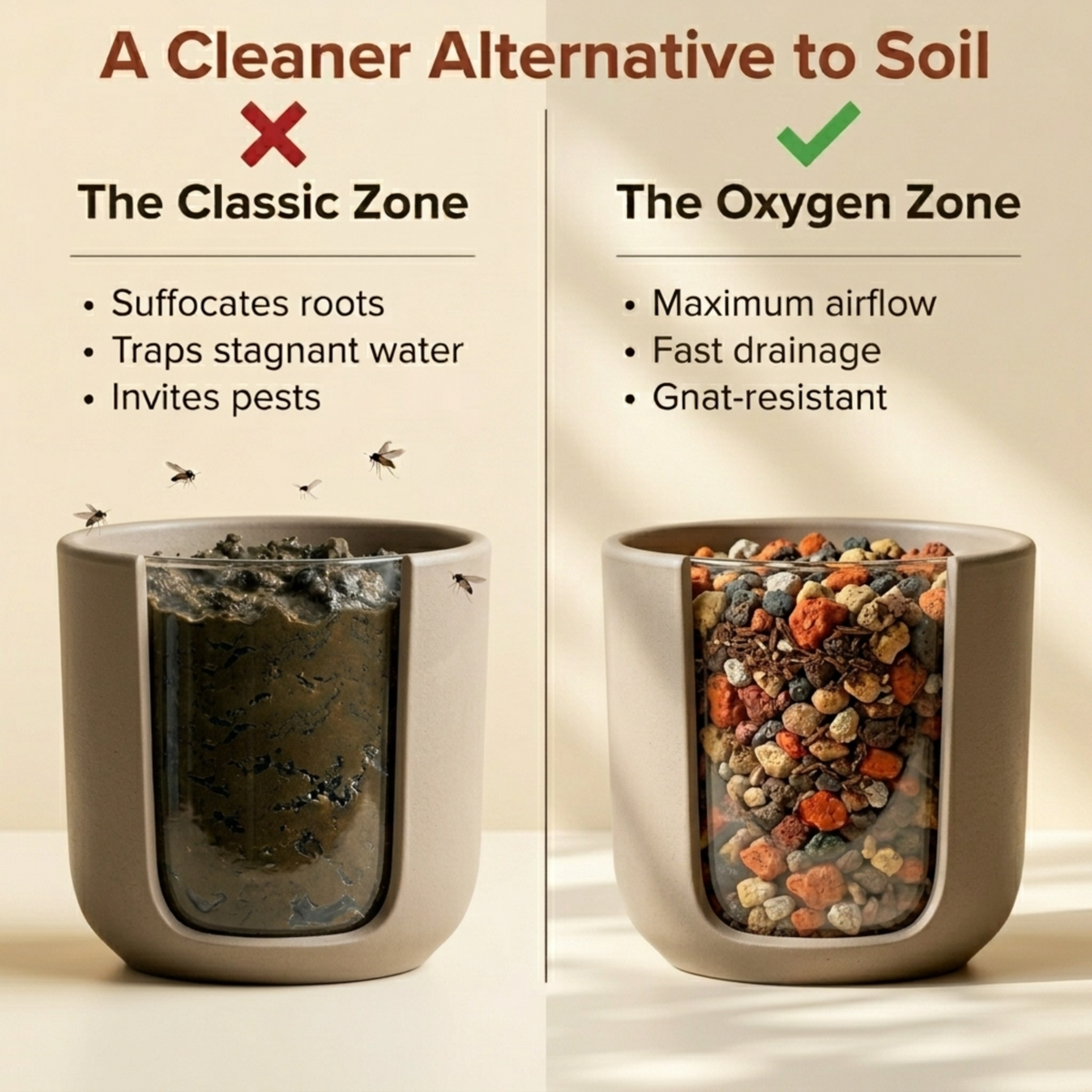
Orchids are a unique family of plants, known for their exotic blooms and diverse species. Choosing the right potting mix is crucial for the health and vitality of these plants. Unlike traditional houseplants, orchids have specific needs that must be met to thrive. This article offers expert tips on selecting the best potting mix for your orchid, ensuring it receives the nutrients and environment it requires for optimal growth.
Understanding Orchid Potting Mix Basics
Orchids are epiphytes, which means they naturally grow on other plants rather than in soil. Therefore, a standard soil mix is not suitable for them. The right orchid plant potting mix should mimic their natural habitat, providing support and proper aeration.
Components of a Good Potting Mix
- Bark: Often made from fir or pine, bark is a primary component that provides structure and aeration.
- Sphagnum Moss: Retains moisture while allowing roots to breathe, ideal for orchids that require consistent humidity.
- Perlite: This volcanic glass is added to improve drainage and aeration.
- Charcoal: Helps to remove impurities from the mix, ensuring the roots remain healthy.
Factors to Consider When Choosing a Potting Mix
Orchid Species
Different orchids have different needs. For instance, Phalaenopsis orchids might thrive in a mix with more sphagnum moss for moisture retention, whereas Cattleya orchids may prefer a drier mix with more bark.
Environment
The environment in which your orchid is placed is another critical consideration. A home with lower humidity might require a mix with higher moisture retention, whereas a more humid environment will need a mix with better drainage.
Watering Habits
Personal watering habits also play a role. For those who water infrequently, a mix that retains more moisture can be beneficial. Conversely, frequent waterers may need a mix with exceptional drainage to prevent root rot.
Tips for Maintaining Your Orchid in the Right Potting Mix
Repotting Frequency
Orchids generally require repotting every one to two years. This process not only refreshes the potting mix but also allows for inspection and pruning of the root system.
Monitoring Health
- Root Health: Healthy orchid roots are typically white to green. Regularly check roots for signs of rot or dehydration.
- Leaf Condition: Leaves should be firm and bright green. Yellowing leaves could indicate an issue with the potting mix or watering routine.
Additional Resources
For those interested in expanding their orchid care knowledge, consider seeking out online forums, joining local orchid societies, or consulting with nursery experts. These resources often provide insights into the latest trends and techniques in orchid care.
Choosing the right orchid plant potting mix is the foundation of successful orchid care. By understanding the components and factors involved, enthusiasts can ensure their orchids flourish, providing beauty and joy for years to come.