 By Ava Walters
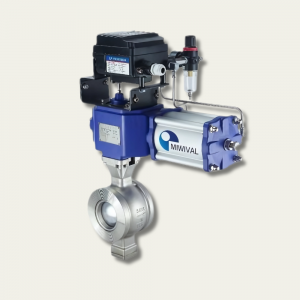
In industries where processes involve high pressures and temperatures, maintaining safety is of paramount importance. Pressure safety systems play a critical role in protecting both personnel and equipment from potential hazards associated with pressure fluctuations. These systems are meticulously designed to ensure operational integrity and compliance with regulatory standards. Understanding the components and strategies involved in pressure safety systems is essential for engineers, safety officers, and operational managers. This guide delves into the key components of pressure safety systems, offering insights into their function and integration in industrial settings.
Understanding Pressure Safety Systems
Pressure safety systems are engineered to prevent overpressure scenarios that can lead to catastrophic equipment failure or safety incidents. These systems are integral in industries such as oil and gas, chemical manufacturing, and power generation. By automatically relieving excess pressure, they protect both the infrastructure and personnel.
Key Components of Pressure Safety Systems
Effective pressure safety systems are composed of several crucial components, each serving a specific function to ensure overall system reliability.
- Pressure Relief Valves (PRVs): These valves are designed to open at a predetermined set pressure to relieve excess pressure and reclose once normal conditions are restored.
- Bursting Discs: Often used alongside PRVs, these discs provide an additional layer of protection by rupturing at specified pressures to relieve pressure quickly.
- Control Valves: Essential for maintaining and managing pressure levels within safe operational limits. Learn about our tailored solutions.
- Pressure Sensors and Transmitters: These devices continuously monitor pressure levels and provide critical data for system evaluation and decision-making.
- Safety Instrumented Systems (SIS): Integrated systems that provide layers of protection through automated control and shutdown procedures.
Benefits of Implementing Advanced Pressure Safety Systems
Adopting comprehensive pressure safety systems offers numerous benefits that extend beyond mere regulatory compliance.
- Enhancement of Safety: By preventing overpressure incidents, these systems safeguard personnel and reduce the risk of workplace accidents.
- Equipment Longevity: Protecting equipment from pressure-related damage extends its lifespan and reduces maintenance costs.
- Operational Efficiency: With real-time monitoring and control, pressure safety systems help maintain optimal operational conditions, reducing downtime.
- Regulatory Compliance: Ensuring that systems meet industry standards and regulations is essential for legal and operational compliance. Explore advanced guides and tips.
Strategic Integration and Maintenance
For pressure safety systems to function optimally, strategic integration and ongoing maintenance are critical. This involves a thorough understanding of the system’s operational environment and potential risk factors.
System Assessment and Planning: A comprehensive assessment of the facility’s pressure management needs is the first step. This includes evaluating existing systems and identifying areas for improvement. Discover expert strategies here.
Regular Testing and Calibration: Routine testing and calibration of all components ensure that they respond correctly to pressure changes, maintaining the system’s reliability and effectiveness.
Training and Education: Providing ongoing training for personnel on system operation and emergency response can significantly enhance safety outcomes. Find out more about this approach.
Conclusion
Pressure safety systems are indispensable in industries dealing with high-pressure processes. Understanding their components and benefits, along with strategic planning and maintenance, is essential for ensuring safety and operational efficiency. By leveraging expert insights and advanced solutions, industries can navigate the complexities of pressure management with confidence and precision.