 By Ava Walters
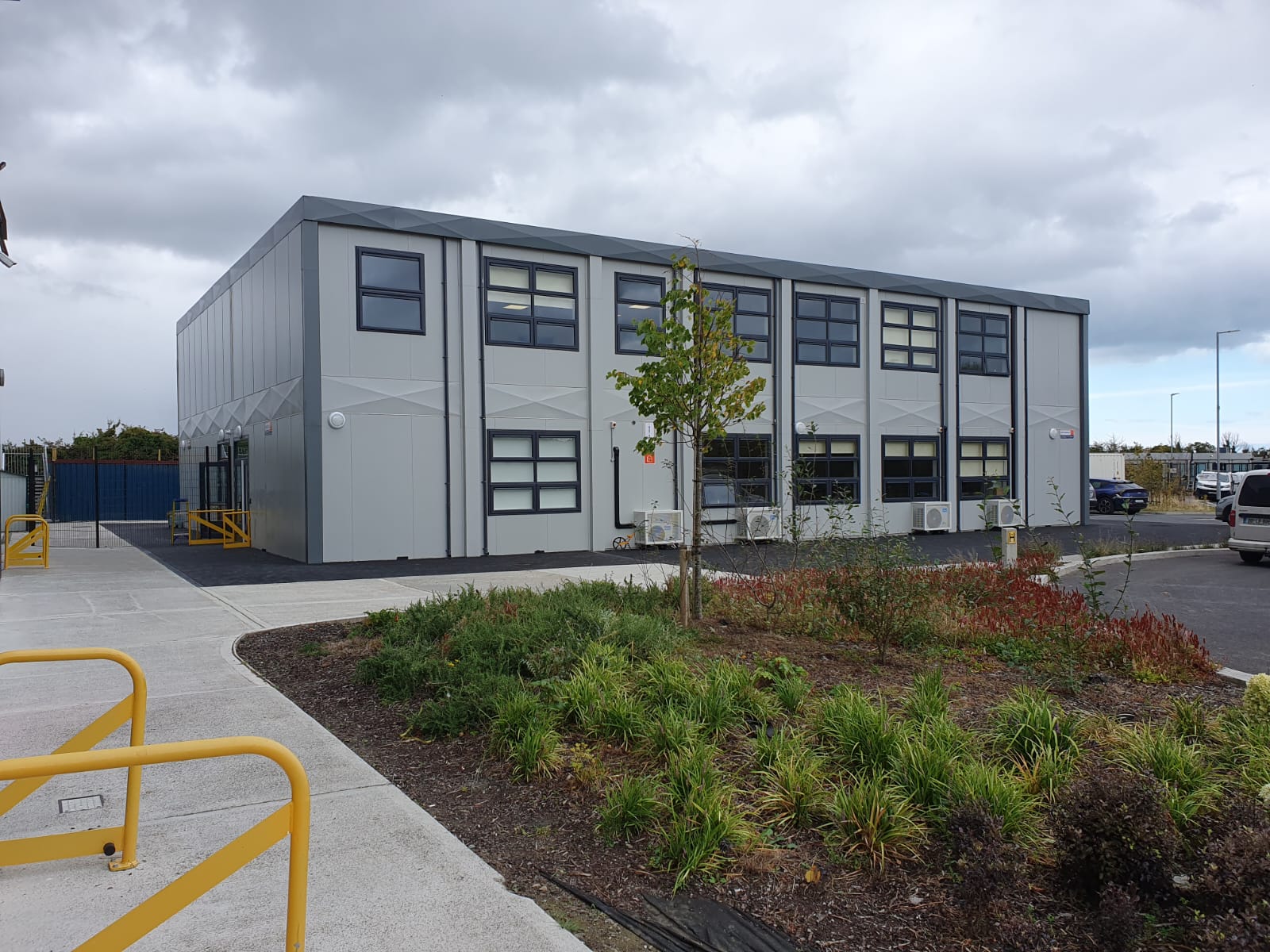
In recent years, the demand for temporary buildings has surged across diverse sectors, owing to their cost-effectiveness and convenience. These structures offer practical solutions for businesses facing space constraints, needing a quick expansion, or requiring adaptable settings for various functions. Temporary buildings are not only economical but also versatile, making them an attractive option for enterprises seeking efficiency and flexibility. Let’s delve into the benefits and applications of temporary buildings, highlighting why they have become a preferred choice for many organizations.
Advantages of Temporary Buildings
Temporary buildings present numerous advantages that make them an appealing choice for businesses and individuals alike. Some of these benefits include:
- Cost-Effectiveness: Opting for temporary buildings significantly reduces construction costs. These structures require less material, labor, and time compared to traditional buildings, resulting in major savings.
- Flexibility and Versatility: Temporary buildings can be easily relocated or reconfigured to suit changing needs. They are adaptable to various functions, from industrial storage to office spaces, ensuring they meet evolving business requirements.
- Speed of Installation: Installing a temporary building is a swift process, often completed in a fraction of the time it would take to construct a permanent structure. This rapid setup allows businesses to respond quickly to changing demands.
- Environmental Impact: The use of temporary structures can result in a reduced environmental footprint. They often involve the use of recyclable materials and produce less construction waste.
- Minimal Disruption: Unlike traditional construction, which can be disruptive, temporary buildings can be erected with minimal interference to ongoing operations.
Common Applications of Temporary Buildings
Industrial and Commercial Use
Temporary buildings are extensively used in industrial and commercial sectors. They provide a quick and effective solution for storage facilities, manufacturing plants, and distribution centers. Businesses can expand their operations without the significant investment required for permanent constructions. Learn about our tailored solutions for industrial applications.
Educational Facilities
Schools and universities often face challenges with fluctuating student populations. Temporary classrooms offer a flexible solution to accommodate these changes without the need for permanent constructions. Moreover, they can serve as interim spaces during renovations or expansions. Discover expert strategies here for educational environments.
Event and Hospitality
In the event and hospitality industry, temporary structures are invaluable. They provide venues for exhibitions, concerts, weddings, and conferences. Their adaptability allows for customization to fit the specific aesthetic and functional needs of any event. Find out more about this approach to event management.
Considerations for Choosing Temporary Buildings
When selecting a temporary building, several factors should be considered to ensure optimal results:
- Purpose: Clearly define the intended use of the structure to determine the best design and materials.
- Location: Assess the site conditions, including access, terrain, and climate, to ensure the building is suitable for the environment.
- Compliance: Verify that the temporary building adheres to local building codes and regulations to avoid legal complications.
- Longevity: While temporary, these buildings should be durable enough to withstand the duration of their intended use.
- Customization: Consider the need for customization to meet specific spatial and functional requirements.
For more insights into the selection process, explore advanced guides and tips on choosing the right temporary building for your needs.
Conclusion
Temporary buildings offer a myriad of advantages that make them a compelling choice for a wide range of applications. They provide cost-effective, flexible, and environmentally friendly alternatives to traditional construction, enabling businesses to adapt swiftly to changing conditions. Whether used for industrial purposes, educational facilities, or events, these structures are a testament to modern ingenuity and practicality. As the demand for adaptable space solutions continues to rise, temporary buildings stand at the forefront, offering innovative and efficient answers to spatial challenges. For more information on how temporary buildings can benefit specific business needs, explore advanced guides and tips available online.