 By Ava Walters
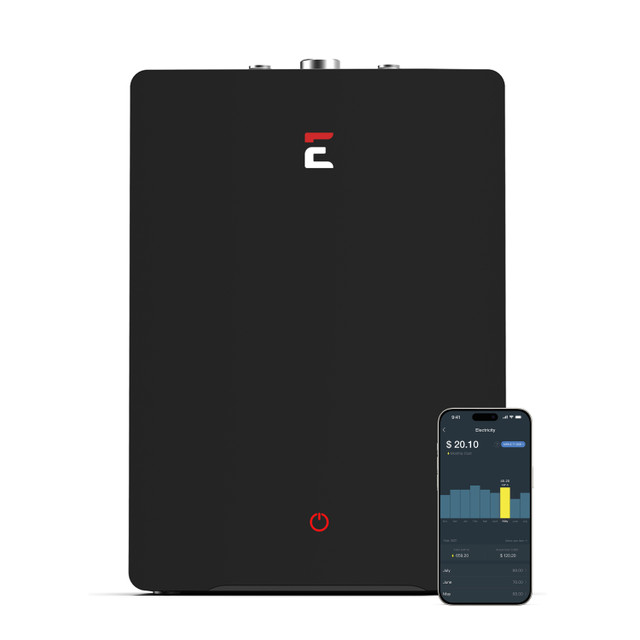
In a world increasingly focused on energy efficiency and sustainability, smart water heaters stand out as an ingenious solution for modern homeowners. These innovative appliances offer the dual benefit of saving money and conserving energy, all the while providing the convenience of hot water on demand. By integrating cutting-edge technology, smart water heaters can intelligently manage energy consumption, leading to reduced utility bills and a smaller carbon footprint. This homeowner’s guide delves into the workings of smart water heaters and explores how they can be a significant asset in any home.
Understanding Smart Water Heaters
Smart water heaters are a leap forward from traditional models, incorporating advanced features to enhance both performance and efficiency. These devices are equipped with smart technology that allows for remote control and monitoring through a smartphone or tablet. This connectivity enables homeowners to adjust settings, monitor energy usage, and receive maintenance alerts, all from the comfort of their devices.
Key Features of Smart Water Heaters
- Remote Access: Control and monitor your water heater from anywhere, ensuring hot water is available when needed without unnecessary energy use.
- Energy Usage Monitoring: Gain insights into water heater performance and energy consumption to make informed decisions on settings and schedules.
- Customizable Schedules: Program heating patterns that align with your daily routine, maximizing efficiency and minimizing waste.
- Maintenance Alerts: Receive timely notifications for maintenance needs, ensuring optimal operation and extending the appliance’s lifespan.
Cost and Energy Savings
Investing in a smart water heater can lead to significant cost savings over time. These appliances are designed to use energy more efficiently, which directly translates to reduced electricity bills. By allowing homeowners to set heating schedules and monitor usage, smart water heaters help eliminate unnecessary energy consumption.
Moreover, the ability to track energy usage through a dedicated app provides valuable insights into consumption patterns, enabling homeowners to make adjustments that further enhance savings. For more detailed strategies on optimizing energy use, homeowners can discover expert strategies here.
Environmental Impact
Smart water heaters contribute significantly to reducing a home’s carbon footprint. By optimizing energy use, these appliances lower greenhouse gas emissions. Many models are designed to be compatible with renewable energy sources, making them an excellent choice for eco-conscious homeowners who are looking to explore advanced guides and tips on sustainable living solutions.
Choosing the Right Smart Water Heater
When selecting a smart water heater, consider factors such as household size, water usage patterns, and compatibility with existing home systems. It”?s essential to evaluate the specifications of different models to ensure the chosen unit meets the specific needs of your home. Learn about our tailored solutions to find the best fit for your requirements.
Installation and Maintenance
- Professional Installation: For optimal performance and safety, professional installation is recommended.
- Regular Maintenance: Follow manufacturer guidelines for routine checks and servicing to maintain efficiency and extend the water heater’s lifespan.
Smart water heaters represent a significant advancement in home appliances, offering a blend of convenience, cost savings, and environmental benefits. By investing in a smart water heater, homeowners can take control of their energy consumption, reduce their utility bills, and contribute to a more sustainable future. For those interested in learning more about the benefits and features of smart water heaters, find out more about this approach to modern home heating.