 By Ava Walters
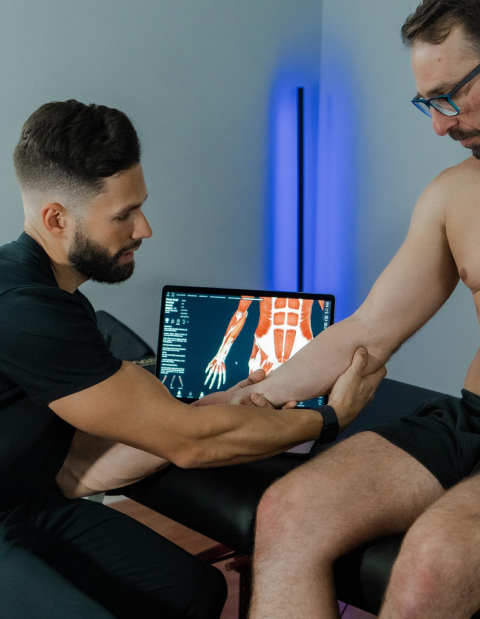
In the pursuit of athletic excellence, the focus often lies on training regimens, dietary plans, and mental preparation. However, an essential component that is sometimes overlooked is the role of recovery therapy in optimizing athletic performance. Recovery therapy encompasses a range of techniques and strategies designed to enhance the body’s natural healing processes, reduce injury risk, and improve overall performance. Understanding and integrating effective recovery practices can make the difference between good and great performance, ultimately extending athletic longevity and enhancing competitive edges.
The Importance of Recovery Therapy
Recovery therapy is crucial for athletes as it helps in restoring energy levels, repairing muscle tissues, and reducing fatigue. Incorporating structured recovery sessions into training schedules can lead to significant performance improvements.
- Reduces the risk of injury by addressing muscle imbalances and weaknesses.
- Enhances mental clarity and focus, preparing athletes for upcoming challenges.
- Promotes faster healing and reduces downtime, allowing for more consistent training.
Understanding the critical role recovery plays can empower athletes to achieve new heights. Discover expert strategies here.
Types of Recovery Therapies
Active Recovery
Active recovery involves engaging in low-intensity exercises following high-intensity workouts. This method helps to maintain blood circulation, which facilitates the removal of metabolic waste products from muscles.
- Light jogging or walking.
- Swimming at a relaxed pace.
- Gentle yoga or stretching exercises.
Active recovery sessions should be tailored to fit individual needs and training goals. Learn about our tailored solutions.
Passive Recovery
Passive recovery, on the other hand, involves complete rest and relaxation, allowing the body to fully recuperate without exerting energy on physical activities.
- Utilizing sleep optimization techniques.
- Engaging in meditation or mindfulness activities.
- Scheduling regular rest days in training cycles.
Incorporating passive recovery is essential for maintaining balance and preventing burnout. Explore advanced guides and tips.
Advanced Recovery Techniques
Cryotherapy
Cryotherapy involves exposing the body to very low temperatures to reduce inflammation and muscle soreness. This technique can be particularly beneficial for athletes seeking rapid recovery.
- Alleviates pain and promotes muscle repair.
- Enhances blood flow and nutrient delivery to tissues.
- Boosts the immune response to training-induced stress.
For those interested in cutting-edge recovery methods, cryotherapy offers promising results. Find out more about this approach.
Massage Therapy
Massage therapy is a well-acknowledged method for enhancing recovery by manipulating soft tissues, improving circulation, and reducing muscle tension.
- Facilitates relaxation and reduces stress levels.
- Enhances flexibility and reduces the risk of injury.
- Improves mood and overall well-being, contributing to better performance.
Massage therapy should be an integral part of any athlete’s recovery protocol. Learn about our tailored solutions.
Conclusion
Optimizing athletic performance requires more than just rigorous training and strategic nutrition. Effective recovery therapy is a cornerstone of peak athletic performance, providing the necessary support for both physical and mental rejuvenation. By incorporating a balanced mix of active and passive recovery techniques, alongside advanced methods like cryotherapy and massage, athletes can enhance their performance, reduce injury risks, and extend their careers. Understanding and embracing these recovery strategies can lead to sustainable athletic excellence. Discover expert strategies here.