 By Ava Walters
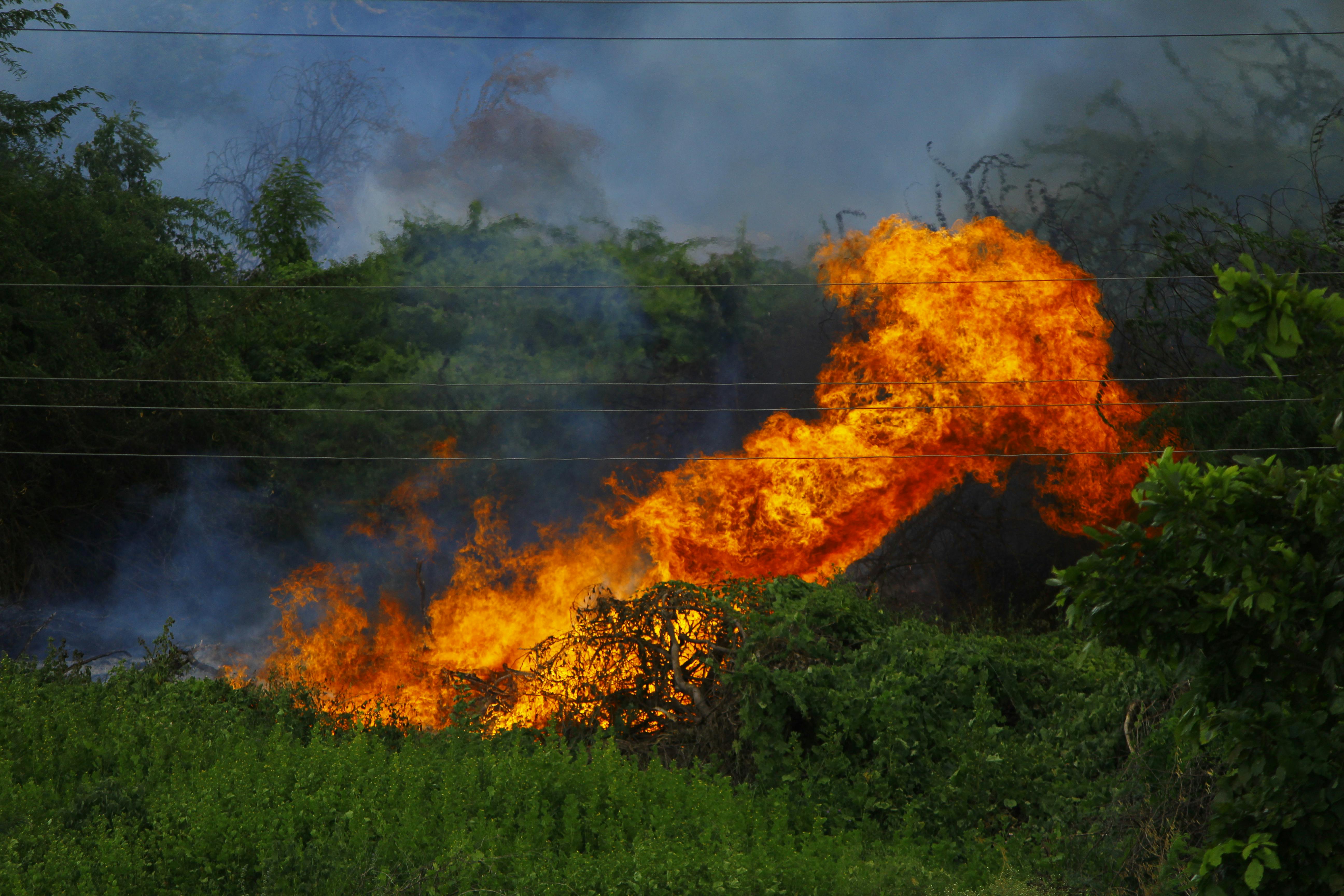
In the picturesque suburb of Campbelltown, nestled in the heart of New South Wales, the threat of bushfires is a very real concern for homeowners and property developers alike. As the climate continues to evolve, the importance of understanding and mitigating bushfire risks has never been more critical. A comprehensive bushfire assessment report is a crucial tool to evaluate these risks and ensure that properties are adequately prepared to withstand bushfire events. Such assessments not only help in safeguarding properties but also assist in adhering to stringent regulatory requirements. This article delves into the intricacies of navigating bushfire assessment reports in Campbelltown, offering insights into their significance and how they play a pivotal role in sustainable property management.
Understanding Bushfire Assessment Reports
The purpose of a bushfire assessment report is to evaluate the vulnerability of a property to bushfire hazards. These reports are essential for anyone looking to build, renovate, or purchase property in bushfire-prone areas. In Campbelltown, the reports are particularly vital due to the region”?s susceptibility to bushfires.
Key Elements of a Bushfire Assessment Report
- Site Analysis: A detailed examination of the property’s topography, vegetation, and proximity to bushfire-prone areas.
- BAL Rating: The Bushfire Attack Level (BAL) assessment determines the intensity of a potential bushfire’s impact on a property. It ranges from BAL-LOW, indicating minimal risk, to BAL-FZ, which suggests a flame zone with the highest risk. For detailed information, consider a BAL assessment in Campbelltown.
- Construction Recommendations: Suggestions and requirements for building materials and design to enhance property resilience against bushfires.
- Compliance and Legislation: Ensures the property meets local council and state government regulations for bushfire safety.
The Process of Obtaining a Bushfire Assessment Report
Securing a comprehensive bushfire assessment report involves several steps, each crucial to ensuring accuracy and compliance:
Engagement and Initial Consultation
Property owners or developers should initiate the process by consulting with experienced professionals who specialize in bushfire assessments. During this stage, discuss specific requirements and any concerns related to the property”?s bushfire risk.
Site Inspection and Data Collection
Experts will conduct a thorough on-site inspection, gathering vital data on the property”?s environmental and structural characteristics. This information forms the basis of the bushfire assessment report in Campbelltown, ensuring all potential risks are accurately identified.
Analysis and Report Generation
Post-inspection, the data collected is meticulously analyzed to determine the Bushfire Attack Level (BAL) and other risk factors. This analysis culminates in a detailed report that outlines the findings and provides actionable recommendations.
Implementing Recommendations and Ensuring Compliance
Once a bushfire assessment report is completed, it is imperative to implement the recommendations to bolster the property”?s defense against bushfires. This involves:
- Adhering to Construction Guidelines: Using specified materials and designs that minimize bushfire risk.
- Regular Maintenance: Keeping the property clear of debris and maintaining vegetation to reduce fuel loads.
- Updating the Assessment: Regularly reviewing and updating the bushfire assessment report to reflect any changes in the property or its surroundings.
Conclusion
In a region as vulnerable to bushfires as Campbelltown, understanding and mitigating bushfire risks through a comprehensive bushfire assessment report is an indispensable aspect of property management. The insights and recommendations provided by these reports not only enhance safety but also ensure compliance with local regulations. By engaging with qualified professionals and following through with their expert recommendations, property owners can significantly reduce the risk and impact of bushfires on their investments. Navigating the complexities of bushfire assessments may seem daunting, but with the right guidance, it becomes a manageable and invaluable process.