 By Ava Walters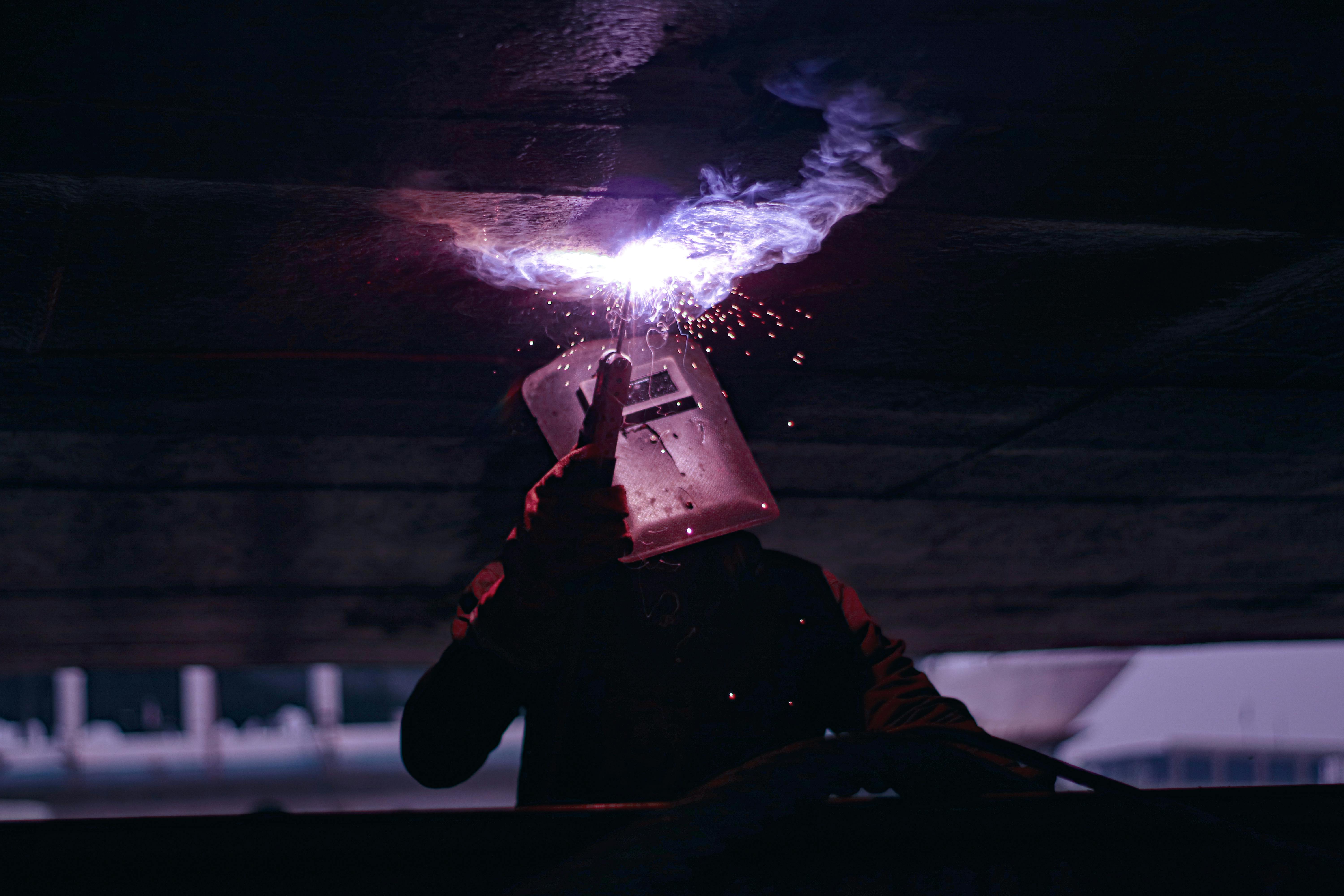
In the realm of industrial operations, ensuring the safety of facilities is paramount. Industrial settings are often complex environments with various potential hazards. These could range from chemical spills and equipment malfunctions to fire risks and arc flashes. Addressing these safety concerns requires a strategic approach, integrating technology, training, and comprehensive safety protocols. This article delves into the different facility safety solutions that can be implemented to create a safer and more efficient industrial environment.
Understanding Common Industrial Hazards
Industrial settings are fraught with various hazards, making it crucial to identify and understand them to implement effective safety solutions.
- Chemical Hazards: Exposure to harmful chemicals can result in health problems, necessitating proper storage and handling protocols.
- Physical Hazards: These include risks associated with machinery and equipment, leading to potential injuries if not adequately managed.
- Electrical Hazards: Arc flashes and electrical shocks are significant risks, which require specialized solutions. Discover expert strategies here.
Implementing Safety Protocols
Establishing comprehensive safety protocols is a foundational step in mitigating risks within industrial settings. These protocols should be tailored to the specific operations and hazards of the facility.
Risk Assessment and Management
Conducting regular risk assessments helps in identifying potential hazards and evaluating their impact. This process facilitates the development of targeted safety measures.
- Identify Hazards: Regular inspections and audits to spot potential dangers.
- Evaluate Risks: Assess the likelihood and severity of identified hazards.
- Implement Controls: Develop strategies to mitigate risks effectively. Learn about our tailored solutions.
Training and Education
Training employees is critical to industrial safety. Well-trained personnel are better equipped to handle emergencies and operate equipment safely.
- Regular Safety Drills: Conduct drills to ensure readiness in case of an emergency.
- Comprehensive Training Programs: Educate employees on safety protocols and the use of personal protective equipment (PPE).
- Continuous Learning: Encourage ongoing education to keep up with the latest safety practices. Explore advanced guides and tips.
Technological Solutions
Incorporating technology into safety strategies can greatly enhance the effectiveness of industrial safety measures. Innovative tools and systems can provide real-time monitoring and advanced warning systems.
Advanced Monitoring Systems
Modern monitoring systems give facility managers the ability to track critical safety metrics in real-time.
- Environmental Sensors: Detect changes in air quality and chemical levels.
- Surveillance Cameras: Monitor activities to ensure compliance with safety protocols.
- Automated Alerts: Immediate notifications in case of safety breaches. Find out more about this approach.
Safety Management Software
Implementing safety management software can streamline safety operations, ensuring compliance with regulations and improving overall safety performance.
- Centralized Data Management: Manages all safety-related data in one place.
- Compliance Tracking: Ensures adherence to industry safety standards.
- Incident Reporting: Facilitates efficient reporting and analysis of safety incidents.
Conclusion
Ensuring safety in industrial settings is a multifaceted challenge that requires a combination of strategic planning, employee education, and technological solutions. By understanding the unique hazards present and implementing comprehensive safety protocols, facilities can significantly reduce risks and enhance overall safety. The integration of advanced technologies further amplifies these efforts, providing both proactive and reactive safety measures. For those seeking to bolster their industrial safety measures, exploring tailored solutions and expert strategies can provide the necessary guidance and support for creating a safer working environment.