 By Ava Walters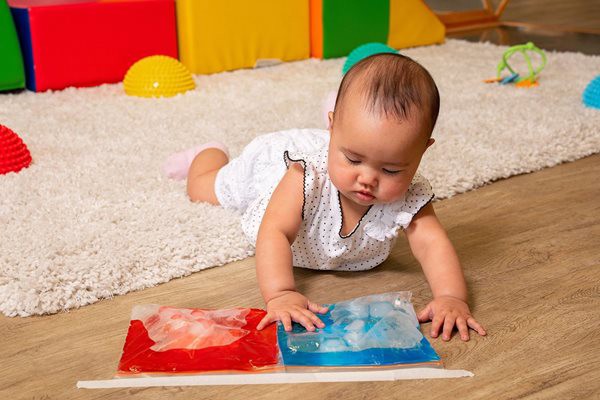
Sensory play is a vital aspect of early childhood development, offering children the opportunity to explore and engage with their surroundings in a meaningful way. This type of play contributes to a child’s cognitive growth, emotional regulation, social skills, and creativity. By immersing their senses in various stimuli, infants begin to understand the world around them, laying a strong foundation for future learning and development.
Understanding Sensory Play
Sensory play involves any activity that stimulates a young child’s senses: touch, smell, taste, sight, and hearing. It encourages children to explore and investigate, which enhances their cognitive abilities and motor skills.
- Develops fine and gross motor skills
- Enhances memory function
- Builds nerve connections in the brain
- Encourages problem-solving and decision-making skills
For more insights into how sensory play affects development, discover expert strategies here.
The Role of Sensory Play in Emotional and Social Development
Sensory play is not only crucial for cognitive and motor skills but also plays a significant role in emotional and social development. Through sensory activities, children can:
- Learn to express their emotions more effectively
- Develop social skills by engaging in group activities
- Gain confidence and resilience
Emotional regulation and social competence are critical components of a child’s overall development. Learn about our tailored solutions to enhance your child’s emotional and social growth through sensory play.
Practical Sensory Play Activities
Tactile Activities
Tactile activities are excellent for developing a child’s sense of touch. Some activities include:
- Playing with playdough or clay
- Exploring textures through sand or rice bins
- Finger painting with different colors and textures
These activities help children to explore different textures and improve their hand-eye coordination. Explore advanced guides and tips for more tactile activities.
Auditory Activities
Stimulating a child’s auditory sense can be achieved through:
- Listening to various music genres and rhythms
- Playing with musical instruments
- Sound recognition games
Such activities encourage listening skills and can improve a child’s ability to follow directions and recognize patterns. Find out more about this approach to auditory sensory play.
Visual Activities
Visual stimulation can be enhanced through activities such as:
- Color sorting and matching games
- Creating collages with colorful materials
- Using kaleidoscopes or prisms to explore light
These activities help with color recognition and visual tracking abilities. Discover expert strategies here for more visual play ideas.
Conclusion
Sensory play is an essential element of a child’s development, influencing various aspects of their growth. By engaging in sensory activities, children build the foundation for lifelong learning and development. Encourage your child’s exploration and creativity through sensory play to foster their overall well-being and development. To explore more about sensory play and its benefits, explore advanced guides and tips available online.