 By Ava Walters
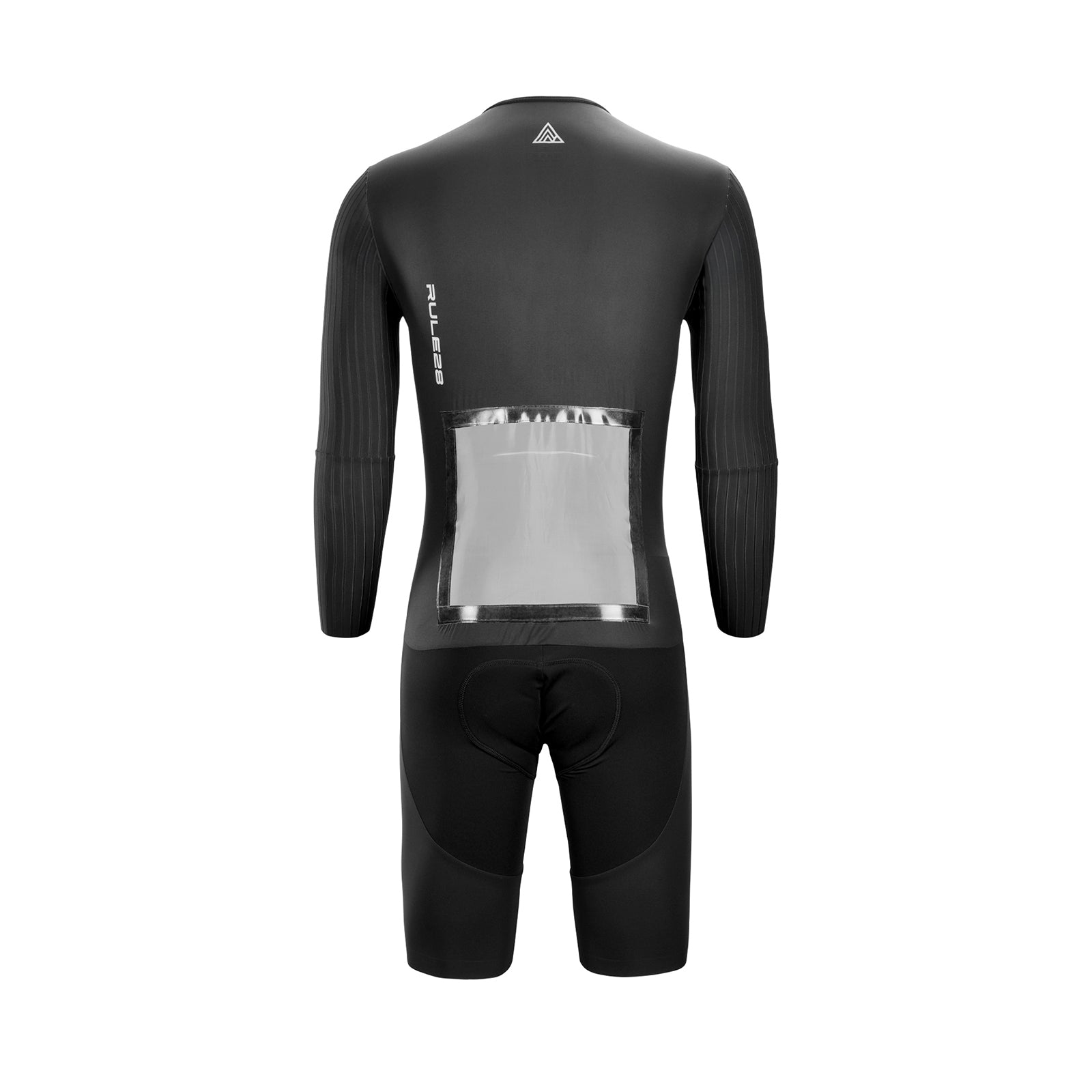
Time trial performance hinges on the delicate balance between power output and aerodynamic efficiency. In 2024, the market offers a sophisticated range of upgrades that can shave seconds off every kilometre, turning a good rider into a podium contender. This guide walks through the essential components of a complete TT aero package, explains why each upgrade matters, and offers practical advice on selecting the right pieces for a cohesive, high-performing setup.
Understanding the Core Elements of an Aero Package
An effective aero package is built around three pillars: clothing, footwear, and accessories. Each element contributes to drag reduction, comfort, and power transfer.
1. Aerodynamic Clothing
The skin-tight suit, often made from woven or bonded fabrics, reduces surface roughness and eliminates excess fabric that can flutter in the wind. Modern suits also incorporate strategic ventilation to keep the rider cool without compromising speed.
- Seam-less construction or welded seams to minimise turbulence.
- Integrated padding that conforms to the saddle, reducing friction.
- Compression zones that support muscle groups during high-intensity efforts.
2. Overshoes and Footwear
Footwear can be a hidden source of drag. Overshoes with a low-profile design streamline the shoe-pedal interface, while stiff soles improve power transfer.
- Carbon-reinforced soles for optimal rigidity.
- Low-profile toe boxes that align with the pedal’s aerodynamic profile.
- Seam-sealed uppers that prevent wind infiltration.
3. Accessories and Base Layers
Base layers, helmet covers, and even aerodynamic bottle cages can add incremental gains. While each item may only save a fraction of a second, the cumulative effect becomes significant over a 40-km effort.
- Thin, moisture-wicking base layers that sit flush under the suit.
- Helmet covers designed to smooth airflow over the rear dome.
- Aero-shaped bottle cages that reduce drag from the bike frame.
Key Upgrades for 2024
The 2024 lineup of time trial aero kit components reflects the latest material science and wind-tunnel testing. Below are the must-have upgrades that deliver measurable aero gains.
Advanced Suit Technologies
- Bonded fabric construction: Eliminates traditional stitching, creating a smoother surface.
- Micro-ventilation panels: Strategically placed to maintain cooling without disrupting airflow.
- Integrated rear flap: Extends the suit’s profile to reduce wake turbulence.
Next-Generation Overshoes
- Carbon-fiber shell: Provides unmatched stiffness for efficient power transfer.
- Hydrophobic coating: Repels water and reduces drag in wet conditions.
- Low-drag outsole pattern: Optimised tread that maintains grip while cutting air resistance.
Base Layer & Accessories
- Compression base layer: Fits tightly under the suit, smoothing out any remaining fabric gaps.
- Aero bottle cage: Shaped to follow the frame’s contour, minimising cross-sectional area.
- Helmet rear skirt: A lightweight extension that guides airflow over the head and shoulders.
How to Assemble a Cohesive Aero Package
Selecting individual pieces is only part of the equation; they must work together as a system. Follow these steps to build a harmonious setup:
- Start with the suit: Choose a model that matches the rider’s body shape and climate needs.
- Add the base layer: Ensure it is thin enough to stay hidden under the suit while providing compression.
- Fit the overshoes: Verify that the shoe-pedal interface is flush and that the overshoes do not create bulges.
- Integrate accessories: Attach aero bottle cages and helmet covers, checking for any interference with the suit’s seams.
- Test in real conditions: Perform a short TT effort to confirm comfort and aerodynamic flow.
Performance Impact: What the Numbers Say
Wind-tunnel data and field testing consistently show that a well-executed tt aero package can deliver between 1% and 3% reduction in drag. On a flat 40-km course, this translates to roughly 30-90 seconds saved, a margin that can decide race outcomes.
- Suit alone: Up to 1.2% drag reduction.
- Overshoes: Additional 0.5%-0.8% improvement.
- Base layer & accessories: Combined 0.3%-0.6% gain.
Choosing the Right Products for Your Goals
Not every rider needs the most extreme setup. Consider the following factors when selecting upgrades:
- Race distance: Longer TT events benefit more from comfort-focused fabrics.
- Climate: Hot conditions call for breathable, moisture-wicking materials; cooler climates allow for tighter, more compressive options.
- Budget: Prioritise high-impact items first, typically the suit and overshoes, then add accessories.
Where to Find Reliable Time Trial Upgrades
A curated selection of proven components is available through specialised retailers. For a comprehensive range, explore the time trial upgrades cycling collection, which includes everything from suits to aero-optimised helmets. Detailed product pages provide wind-tunnel data, sizing guides, and rider reviews to aid decision-making.
Final Thoughts
The 2024 season presents a unique opportunity to fine-tune every aerodynamic detail of a time trial setup. By investing in a coordinated aero gains time trial package, starting with a high-performance suit, pairing it with precision-engineered overshoes, and rounding out the system with a compression base layer and aero accessories, riders can achieve measurable speed improvements without sacrificing comfort. The key lies in viewing each component as part of an integrated system, testing the ensemble in realistic conditions, and making data-driven adjustments. With the right choices, the seconds saved on the road become the difference between a personal best and a podium finish.