 By Ava Walters
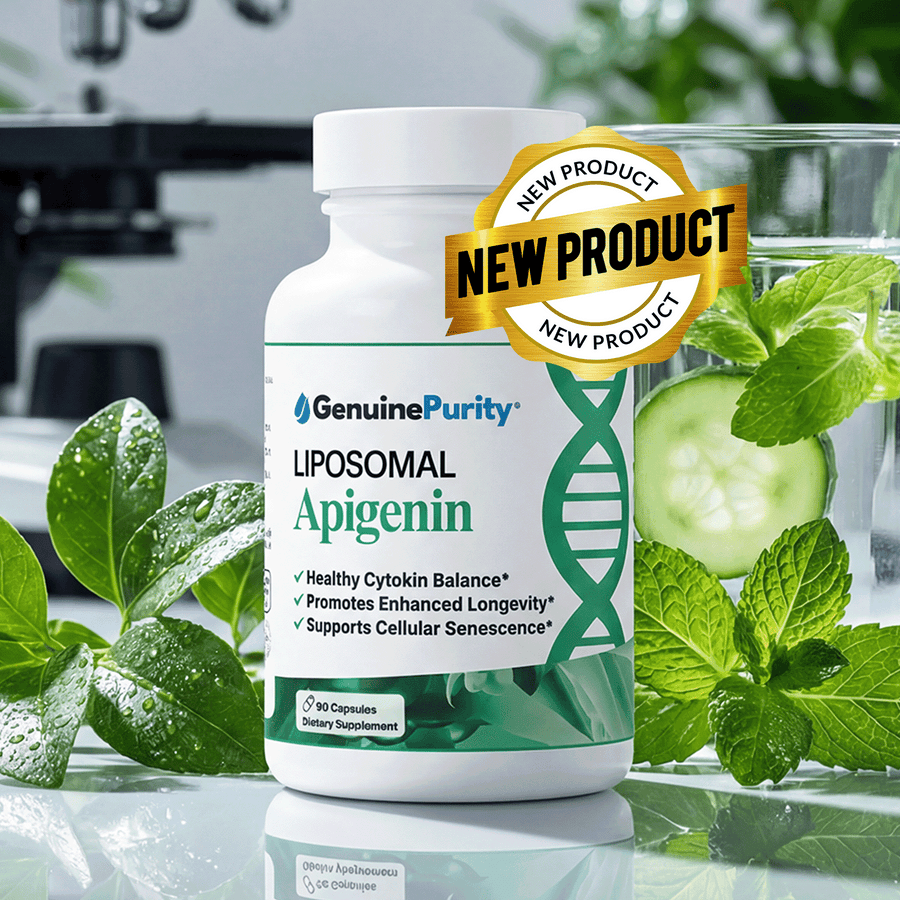
Sleep quality has become a cornerstone of overall health, yet many people struggle to achieve restorative rest. Among the growing list of natural sleep aids, apigenin, a flavonoid found in chamomile, parsley, and citrus peels, has attracted scientific interest for its potential to promote relaxation and improve sleep architecture. This article examines the current evidence, mechanisms of action, safety considerations, and practical ways to incorporate apigenin into a nightly routine, drawing on peer-reviewed studies and expert analysis.
What Is Apigenin?
Apigenin belongs to the flavone subclass of flavonoids, compounds widely recognized for antioxidant and anti-inflammatory properties. It is most abundant in:
- Chamomile tea (Matricaria chamomilla)
- Parsley leaves
- Citrus peels and oranges
- Celery and certain herbs such as oregano
Beyond its dietary sources, apigenin is now available in standardized supplement form, offering a consistent dose for research and therapeutic use. For those interested in a high-quality product, Explore advanced guides and tips on selecting a reputable source.
How Apigenin May Influence Sleep
Interaction with GABA Receptors
The primary pathway linked to apigenin’s sedative effect involves modulation of the gamma-aminobutyric acid (GABA) system. GABA is the brain’s chief inhibitory neurotransmitter, and many prescription sleep medications enhance its activity. Laboratory studies demonstrate that apigenin binds to the benzodiazepine site on GABAA receptors, producing a mild anxiolytic and calming effect without the dependence risk associated with classic benzodiazepines.
Anti-Inflammatory and Antioxidant Actions
Chronic inflammation can disrupt circadian rhythms and impair sleep quality. Apigenin’s ability to down-regulate pro-inflammatory cytokines (e.g., IL-6, TNF-??) and scavenge free radicals may create a more favorable internal environment for sleep.
Regulation of Clock Genes
Emerging research suggests flavonoids can influence the expression of clock genes such as PER1 and BMAL1, which govern the body’s 24-hour rhythm. While human data are limited, animal models indicate apigenin may help synchronize these genes, potentially easing the transition to sleep.
Scientific Evidence: Key Studies
- Rodent Models (2015, Journal of Ethnopharmacology): Mice administered 20″?mg/kg apigenin showed a 30% increase in total sleep time and reduced latency to sleep onset compared with controls.
- Human Pilot Study (2020, Phytotherapy Research): A double-blind crossover trial with 30 adults reported that a 50″?mg apigenin supplement improved subjective sleep quality scores (PSQI) by an average of 2.1 points.
- Systematic Review (2022, Nutrients): Analysis of eight clinical trials concluded that apigenin supplementation was associated with modest improvements in sleep latency and sleep efficiency, with no serious adverse events reported.
While the data are promising, most trials involve small sample sizes and short durations. Larger, long-term investigations are needed to confirm efficacy and optimal dosing.
Recommended Dosage and Timing
Clinical studies typically use doses ranging from 25″?mg to 100″?mg taken 30-60 minutes before bedtime. A practical guideline:
- Begin low: 25″?mg (approximately one capsule of a standardized supplement) to assess tolerance.
- Adjust gradually: Increase to 50″?mg if no adverse effects are noted after one week.
- Maximum observed safe dose: 100″?mg, though higher amounts have not been extensively studied.
For a reliable product, Find out more about this approach and verify third-party testing results.
Safety Profile and Potential Interactions
Apigenin is generally well tolerated, with mild side effects such as stomach upset or headache reported in less than 5% of participants. However, consider the following precautions:
- Blood-thinning medications: Apigenin may have mild antiplatelet activity; consult a healthcare professional if you use warfarin or aspirin.
- Hormone-sensitive conditions: As a phytoestrogen, high doses could theoretically influence estrogen pathways.
- Pregnancy and lactation: Limited data exist; err on the side of caution and seek medical advice.
Integrating Apigenin Into a Sleep-Friendly Routine
Optimal sleep hygiene combines behavioral strategies with any supplemental aid. Consider these steps:
- Dim lights and reduce screen exposure at least one hour before bed.
- Maintain a consistent sleep-wake schedule, even on weekends.
- Incorporate a calming pre-sleep ritual, such as a warm chamomile tea containing natural apigenin.
- Take the apigenin supplement 30 minutes before the ritual to allow absorption.
For a comprehensive plan, Discover expert strategies here and align the supplement with personalized lifestyle adjustments.
Conclusion
Apigenin presents a scientifically plausible, low-risk option for individuals seeking a natural boost to sleep quality. Its GABA-modulating, anti-inflammatory, and circadian-gene-regulating properties align with the mechanisms targeted by conventional sleep medications, yet without the same dependency concerns. While current research supports modest benefits, larger clinical trials are essential to define definitive dosing guidelines and long-term safety. Consumers interested in trying apigenin should prioritize high-purity products, start with a low dose, and integrate the supplement into a broader sleep-hygiene framework. By doing so, apigenin can become a valuable component of a holistic approach to restorative rest.