 By Ava Walters
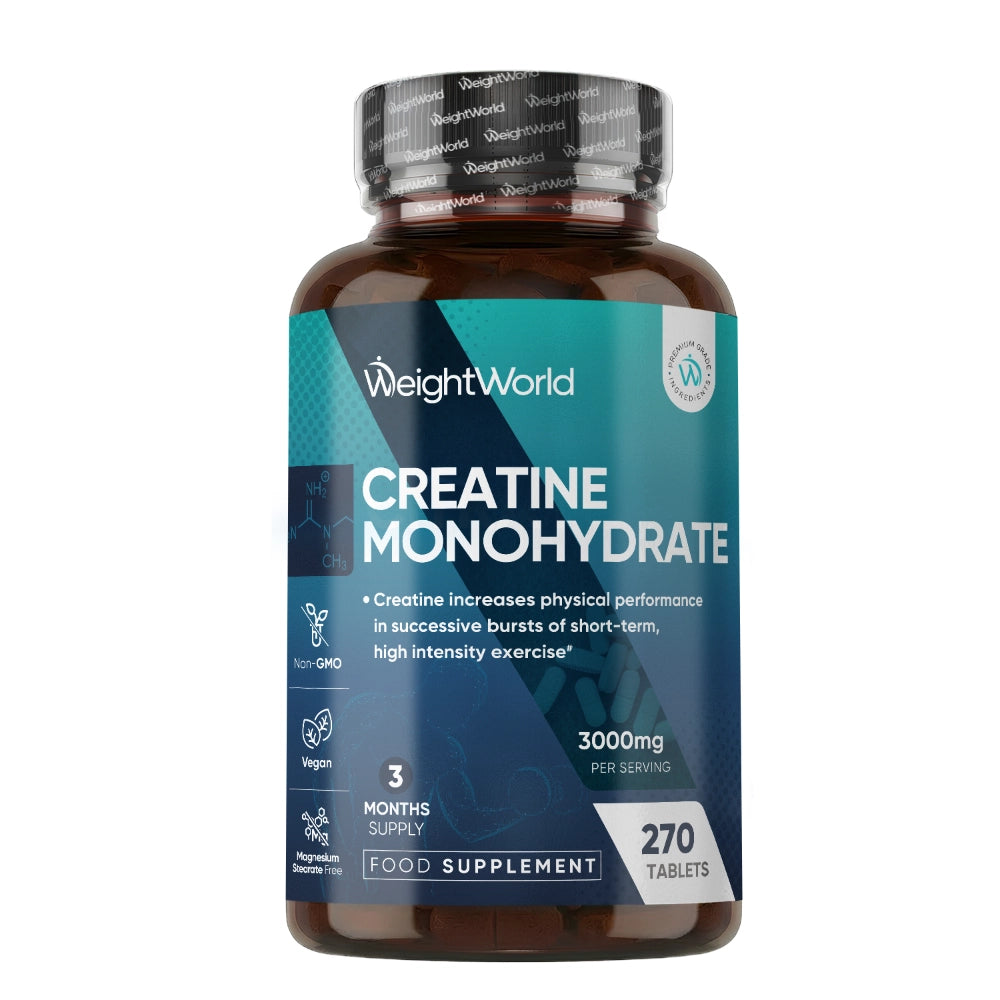
Achieving peak athletic performance demands more than rigorous training and disciplined nutrition; the right supplements can fill critical gaps, enhance recovery, and boost power output. Modern sports science has identified a handful of compounds that consistently deliver measurable benefits when used correctly. Below is a concise guide to the six most essential sports supplements, each supported by research and widely trusted by elite athletes and serious enthusiasts alike.
1. Creatine Monohydrate
Creatine remains the gold-standard for increasing muscular phosphocreatine stores, which translates to greater short-burst strength and faster ATP regeneration during high-intensity efforts.
Key Benefits
- Improves maximal strength and power output.
- Enhances muscle volumization through intracellular water retention.
- Supports faster recovery between repeated sprint or lift sets.
How to Use
- Loading phase (optional): 20″?g/day split into 4 doses for 5-7 days.
- Maintenance: 3-5″?g/day, mixed with water or a carbohydrate-rich beverage.
- Timing is flexible; consistency matters more than precise timing.
2. Whey Protein Isolate
High-quality whey protein provides a rapid source of essential amino acids, particularly leucine, which is pivotal for muscle protein synthesis after training.
Key Benefits
- Accelerates post-exercise muscle repair and growth.
- Offers a convenient, low-fat, low-lactose option for athletes with dietary sensitivities.
- Supports immune function when combined with other micronutrients.
How to Use
- Consume 20-30″?g within 30-60 minutes post-workout.
- Can be blended into smoothies, oatmeal, or used as a base for recovery shakes.
- Adjust portion size based on total daily protein goals.
3. Beta-Alanine
Beta-alanine raises intramuscular carnosine levels, which buffers hydrogen ions and delays fatigue during sustained high-intensity activity.
Key Benefits
- Improves performance in activities lasting 1-4 minutes (e.g., rowing, middle-distance running).
- Reduces perceived exertion during intense training sessions.
- Works synergistically with creatine for enhanced power output.
How to Use
- Typical dose: 3-6″?g per day, split into smaller servings to avoid paresthesia.
- Loading over 4-6 weeks yields optimal carnosine saturation.
- Can be mixed into pre-workout formulas or flavored drinks.
4. Branched-Chain Amino Acids (BCAAs)
Leucine, isoleucine, and valine together support muscle preservation during caloric deficits and intense training blocks.
Key Benefits
- Stimulates muscle protein synthesis, especially when dietary protein is limited.
- May reduce muscle soreness and accelerate recovery.
- Provides an energy substrate during prolonged endurance efforts.
How to Use
- Typical ratio: 2:1:1 (leucine:isoleucine:valine).
- Take 5-10″?g before or during workouts.
- Ideal for athletes training in a fasted state or on low-carb diets.
5. Omega-3 Fish Oil (EPA/DHA)
Long-chain omega-3 fatty acids offer anti-inflammatory properties, supporting joint health and cardiovascular function, both crucial for consistent training.
Key Benefits
- Reduces exercise-induced inflammation and joint discomfort.
- Enhances blood flow, potentially improving nutrient delivery to muscles.
- Supports mental focus and mood stability during heavy training cycles.
How to Use
- Target 1,000-3,000″?mg of combined EPA and DHA daily.
- Choose high-purity, molecularly distilled products to limit contaminants.
- Take with meals containing fat for optimal absorption.
6. Multivitamin/Mineral Complex Tailored for Athletes
Even with a balanced diet, athletes may fall short on micronutrients essential for energy metabolism, oxygen transport, and muscle contraction.
Key Benefits
- Provides adequate levels of iron, magnesium, zinc, and B-vitamins.
- Supports immune resilience during periods of high training load.
- Helps prevent deficiencies that can impair performance.
How to Use
- Take one serving with breakfast or lunch.
- Prefer formulas that avoid excessive filler and use chelated minerals for better bioavailability.
- Check label for sport-specific dosages that comply with anti-doping regulations.
Integrating Supplements into a Holistic Nutrition Plan
Supplements are most effective when they complement a well-structured diet rich in whole foods, adequate hydration, and proper sleep. For athletes seeking a curated selection of evidence-based options, exploring a reputable sports supplements range can simplify the process, ensuring each product meets quality standards and aligns with performance goals.
Final Thoughts
While individual responses vary, the six supplements outlined above consistently demonstrate performance-enhancing properties across diverse sports disciplines. Prioritizing proper dosage, timing, and synergy, such as pairing creatine with beta-alanine or combining whey protein with a multivitamin, maximizes benefits while minimizing waste. As always, athletes should consult healthcare professionals before initiating new supplementation, especially when managing medical conditions or competing under strict anti-doping regulations.