 By Ava Walters
Skylights are a transformative addition to any living space, flooding rooms with natural light and creating an open, airy atmosphere. In apartments, where traditional skylights might not be feasible due to structural constraints, creative solutions are necessary. Skylights not only enhance aesthetic appeal but also improve energy efficiency by reducing the need for artificial lighting. However, adding skylights to apartments requires careful planning and innovative design to overcome potential limitations and maximize their benefits.
Understanding the Challenges
Before delving into the creative ways to incorporate skylights into apartments, it is crucial to understand the challenges that may arise:
- Structural Limitations: Many apartments lack direct access to the roof, making traditional skylights impractical.
- Building Regulations: Apartments often have strict regulations regarding exterior modifications, limiting the installation of conventional skylights.
- Privacy Concerns: Skylights can potentially compromise privacy, especially in densely populated urban areas.
Innovative Approaches to Skylight Installation
1. Tubular Skylights
One innovative solution to the challenges of traditional skylights is the use of tubular skylights. These are ideal for apartments as they require minimal roof space and can be installed without significant structural changes. Tubular skylights capture daylight through a small dome on the roof and channel it through a highly reflective tube, delivering it into the interior living space.
2. Skylight Alternatives
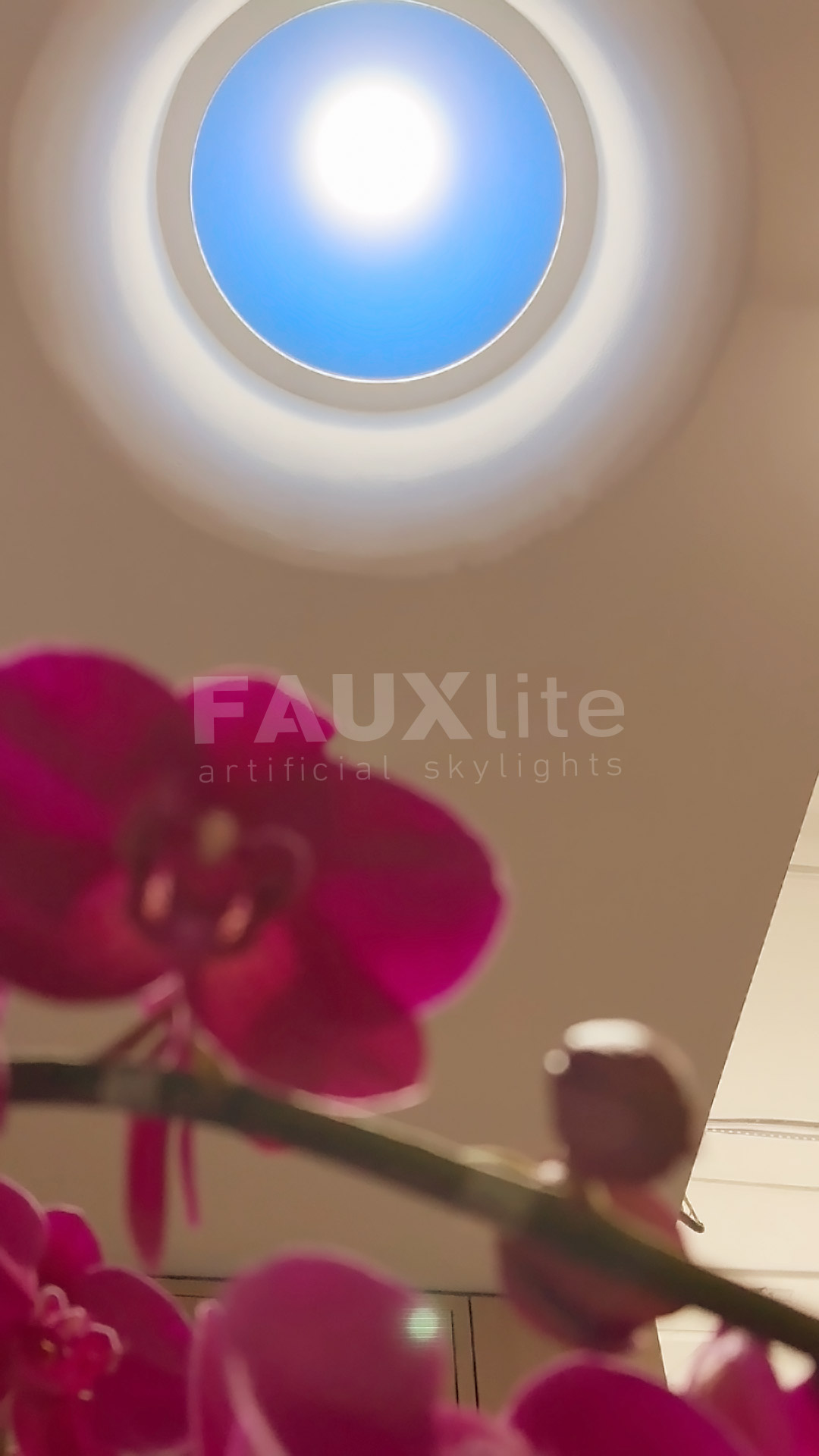
For apartments without direct roof access, consider a skylight without roof installation. These systems mimic the effect of natural skylights using advanced LED technology, providing a similar aesthetic and lighting effect without the need for structural alterations.
3. Interior Wall Skylights
Another creative method is installing interior wall skylights. These are essentially windows placed on interior walls, allowing light from adjacent rooms or corridors to filter through, creating an interconnected light flow.
Design Considerations
1. Placement and Positioning
Strategic placement is crucial to maximize the benefits of skylights in apartments:
- Central Locations: Install skylights in central areas like living rooms or kitchens to distribute light effectively.
- Hallways and Corridors: These often-overlooked spaces can benefit significantly from additional lighting.
2. Enhancing Privacy
When privacy is a concern, consider using frosted glass or integrated blinds in the skylight design. These features offer flexibility to control light and visibility as needed.
3. Energy Efficiency
Incorporating energy-efficient skylight designs can significantly reduce energy consumption. Options like double-glazed glass or low-emissivity coatings help maintain temperature control and reduce heating or cooling costs.
Exploring Virtual Skylight Solutions
For those seeking an innovative skylight apartment solution, virtual skylights offer a cutting-edge alternative. These systems use LED panels to simulate the appearance of natural skylights, complete with changing light patterns that mimic the sun’s movement. They are particularly effective in windowless rooms or areas lacking natural light.
Virtual skylights come with several advantages:
- Customizable Settings: Adjust light intensity and color temperature to suit personal preferences or time of day.
- No Structural Changes: Easily installed on ceilings or walls without the need for roof access or major renovations.
Conclusion
Incorporating skylights in apartments is a feasible and rewarding endeavor when approached with creativity and innovation. Whether through tubular systems, virtual skylights, or interior wall designs, there are numerous options to enhance natural light and transform living spaces. By understanding the unique challenges and exploring various solutions, one can successfully integrate skylights into any apartment setting, enhancing both the aesthetic and functional qualities of the home.