 By Ava Walters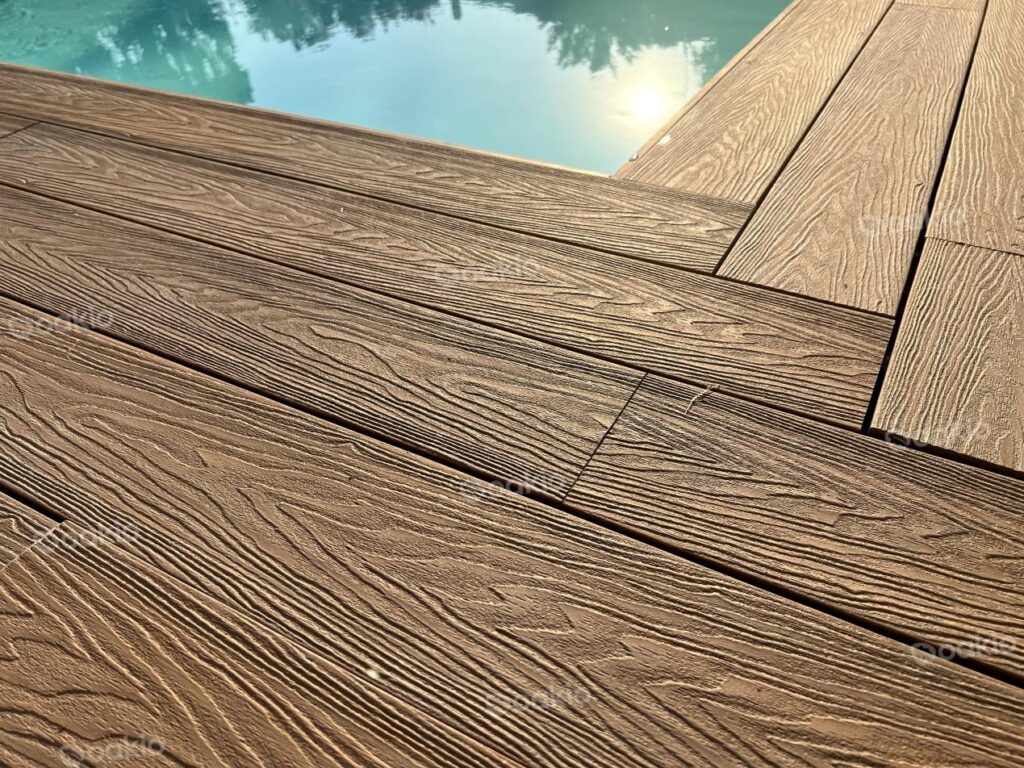
In recent years, the construction industry has been keenly focused on sustainability and environmental impact. As a result, innovative materials like wood-plastic composites (WPC) have emerged as a promising solution. WPCs are engineered materials made from a blend of wood fibers and plastic polymers, offering numerous environmental and practical benefits. This article delves into the potential of WPCs, examining their advantages, applications, and impact on the future of sustainable building practices.
Understanding Wood-Plastic Composites
Wood-plastic composites are hybrid materials crafted by combining natural wood fibers and thermoplastics. The blend results in a composite material that retains the aesthetic appeal of wood while leveraging the durability and resilience of plastics. This unique combination offers several benefits, making WPCs increasingly popular in sustainable construction.
Key Advantages of WPCs
- Durability and Longevity: WPCs are resistant to decay, rotting, and insects, ensuring a longer lifespan compared to traditional wood.
- Low Maintenance: Unlike natural wood, WPCs do not require frequent staining, sealing, or painting.
- Environmental Benefits: WPCs utilize recycled materials and are themselves recyclable, reducing waste and conserving natural resources.
- Versatility: These composites can be molded into various shapes and sizes, offering flexibility in design applications.
For more comprehensive information on the benefits and properties of wood-plastic composites, read more about this topic.
Applications of Wood-Plastic Composites
The versatility of WPCs allows for their application across a wide range of construction projects. Some of the most common uses include:
- Decking: WPCs are widely used in outdoor decking due to their weather resistance and aesthetic appeal.
- Siding and Fencing: These materials provide a durable and attractive alternative to traditional wood or vinyl siding.
- Outdoor Furniture: The resilience of WPCs makes them ideal for crafting outdoor furniture that withstands the elements.
- Interior Applications: WPCs are also utilized for interior flooring and wall panels, offering a modern look with added durability.
To explore further insights into the diverse applications of WPCs in construction, explore further insights here.
Impact on Sustainable Building Practices
Wood-plastic composites are poised to make a significant impact on sustainable building practices. Their ability to reduce the reliance on virgin wood and non-renewable materials aligns with the growing environmental consciousness within the industry. Moreover, WPCs contribute to reduced carbon footprints in construction projects by minimizing waste and enhancing energy efficiency.
Future Prospects
As technology advances, the development of WPCs continues to evolve. Innovations in composite formulations and manufacturing processes promise enhanced performance and sustainability. The future of WPCs looks bright, with ongoing research focused on increasing the use of biodegradable plastics and further improving the ecological footprint of these materials.
For additional information on the future prospects and technological advancements of wood-plastic composites, find additional information here.
Conclusion
Wood-plastic composites represent a significant step forward in the pursuit of sustainable building materials. Their combination of durability, low maintenance, and environmental benefits positions them as a key component in the future of construction. As the industry continues to strive for sustainability, WPCs offer a promising path forward, blending innovation with ecological responsibility.