 By Ava Walters
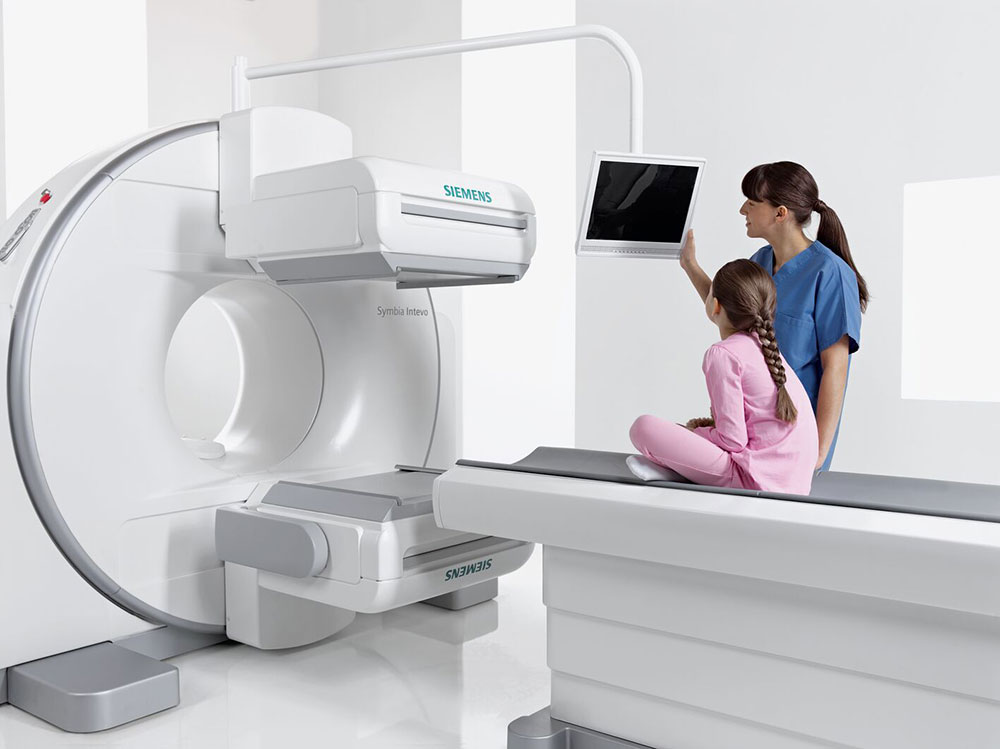
Nuclear medicine imaging is a critical component in the diagnosis and treatment of various medical conditions. Utilizing small amounts of radioactive materials, this technique provides unique insights into the structure and function of organs and tissues. The precision of these images is paramount, as it directly impacts the accuracy of diagnosis and the effectiveness of subsequent treatments. As technology advances, so does the potential to enhance the accuracy of nuclear medicine imaging, ensuring patients receive the most reliable assessments possible. For deeper insights, learn about our tailored solutions.
The Importance of Accurate Imaging
Accuracy in nuclear medicine imaging is crucial due to its direct influence on patient outcomes. Accurate imaging enables precise disease staging and treatment planning, which are vital for effective patient management.
- Accurate imaging helps in early detection of diseases, improving prognosis.
- It enhances the ability to monitor the effectiveness of ongoing treatments.
- Reduces the likelihood of unnecessary invasive procedures by providing clear diagnostic information.
- Facilitates personalized treatment approaches by accurately assessing disease progression.
To understand more about the significance of imaging accuracy, find out more about this approach.
Technological Advances in Imaging
Recent advancements in nuclear medicine have significantly contributed to the precision of imaging techniques.
Hybrid Imaging Systems
Hybrid systems, such as PET/CT and SPECT/CT, combine anatomical and functional imaging, offering comprehensive diagnostic information.
- Provides detailed anatomical context alongside metabolic activity.
- Improves lesion localization and characterization.
- Enhances diagnostic accuracy in complex cases.
For a detailed exploration of hybrid systems, explore advanced guides and tips.
Software and Algorithm Enhancements
Software advancements and sophisticated algorithms have bolstered image reconstruction and analysis techniques.
- Improved noise reduction and image clarity.
- Enhanced quantitative accuracy of imaging biomarkers.
- Facilitated the integration of artificial intelligence for predictive analytics.
Discover expert strategies here.
Techniques for Improving Imaging Accuracy
Implementing specific techniques can significantly improve the accuracy of nuclear medicine imaging, ultimately leading to better patient care.
Optimized Radiopharmaceuticals
The development and use of optimized radiopharmaceuticals enhance target specificity and image resolution.
- Ensures higher uptake in target tissues, reducing background noise.
- Provides clearer, more defined images for accurate assessment.
Quality Control Protocols
Strict adherence to quality control protocols is essential in maintaining the accuracy and reliability of imaging results.
- Regular equipment calibration to ensure optimal performance.
- Routine checks to prevent technical errors and ensure consistency.
For more information on maintaining high standards, learn about our tailored solutions.
Conclusion
Maximizing the accuracy of nuclear medicine imaging is a multifaceted endeavor involving technological innovation, optimized procedures, and stringent quality control. These efforts are crucial for delivering precise diagnostic information, ultimately enhancing patient outcomes. As the field continues to evolve, staying informed about the latest advancements and techniques is essential for healthcare professionals dedicated to excellence in patient care. Find out more about this approach.