 By Ava Walters
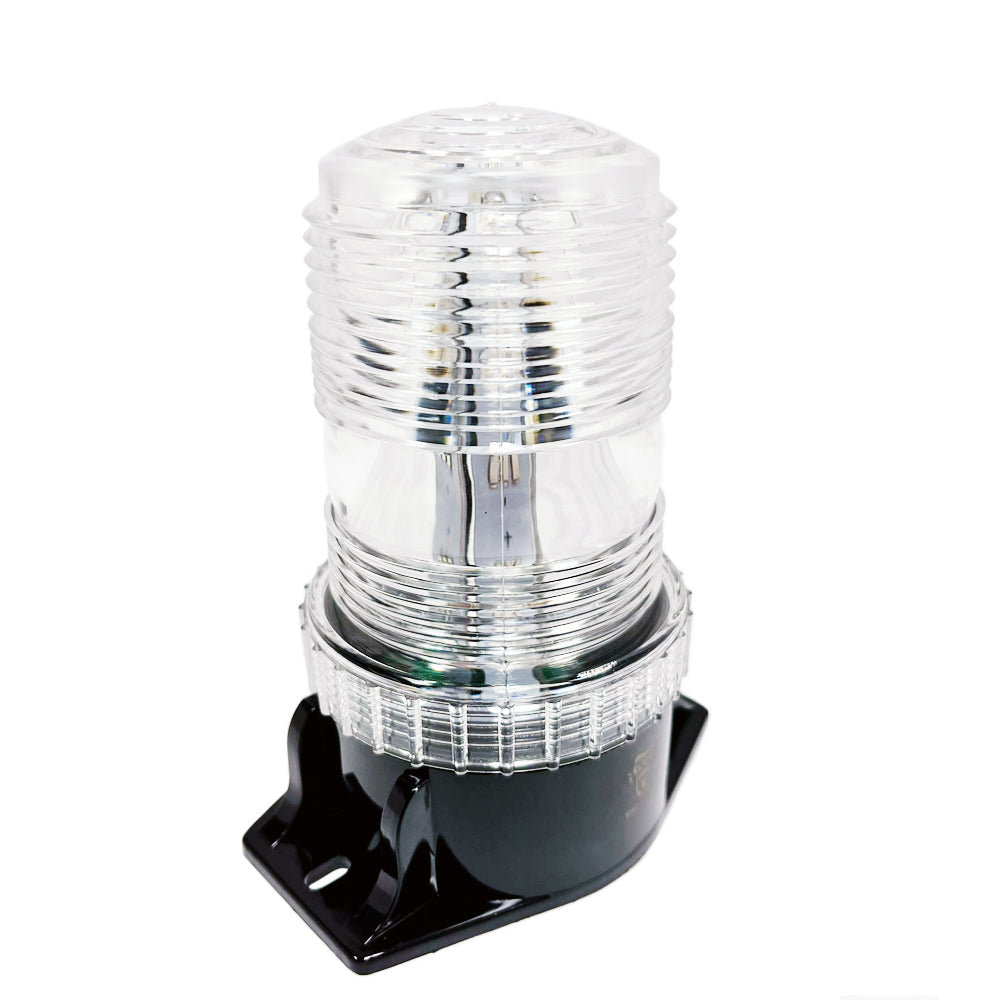
In the fast-paced and often hazardous environment of industrial workplaces, ensuring the safety of personnel and equipment is paramount. One of the most effective methods to enhance safety is the use of strobe safety lights. These lights are designed to capture attention, alerting workers and machinery operators of potential dangers, thereby significantly reducing the likelihood of accidents. Understanding how strobe safety lights reduce workplace accidents is crucial for any organization committed to maintaining a safe and productive work environment.
The Role of Strobe Safety Lights in Workplace Safety
Strobe safety lights play a vital role in enhancing visibility and awareness in various industrial settings. These lights are characterized by their intense, flashing illumination, which can be seen from a considerable distance. This makes them an invaluable tool in environments where heavy machinery is in operation, and workers need to remain vigilant.
Enhancing Visibility
One of the primary benefits of strobe safety lights is their ability to enhance visibility. This is especially important in poorly lit areas or during night shifts when visibility is naturally reduced. By using strobe lights, workers can:
- Identify moving equipment and personnel from a distance.
- Navigate safely through complex and cluttered environments.
- Avoid collisions and accidents caused by low visibility.
For more information on how these lights can improve visibility, learn about our tailored solutions.
Alerting Personnel to Potential Hazards
Strobe lights serve as an immediate visual warning signal, alerting workers to potential hazards in their vicinity. The flashing effect of strobe lights quickly grabs attention, ensuring that workers are aware of:
- Approaching forklifts and other vehicles.
- Areas where hazardous materials are present.
- Emergency situations that require immediate attention.
By alerting personnel to these dangers, strobe lights help prevent accidents before they occur. To explore more advanced guides and tips on using strobe lights effectively, explore advanced guides and tips.
Implementation Strategies for Strobe Safety Lights
Implementing strobe safety lights in the workplace requires careful consideration to maximize their effectiveness. Here are some key strategies to consider:
Strategic Placement
Place strobe lights in areas where they will have the greatest impact. Key locations include:
- Intersections and blind spots where visibility is limited.
- Loading docks and high-traffic zones.
- Emergency exits and evacuation routes.
Strategic placement ensures that strobe lights are seen by all workers, enhancing overall safety. For more insights on strategic placement, discover expert strategies here.
Regular Maintenance and Testing
To ensure strobe lights function correctly, regular maintenance and testing are essential. This includes:
- Checking the lights for any signs of wear or damage.
- Testing the lights regularly to ensure they operate as intended.
- Replacing bulbs and components as needed to maintain optimal performance.
Regular maintenance not only prolongs the lifespan of the lights but also ensures they are reliable when needed most. To find out more about this approach, find out more about this approach.
Conclusion
Strobe safety lights are a critical component in reducing workplace accidents. By enhancing visibility and providing clear warnings of potential hazards, they contribute significantly to a safer work environment. Implementing these lights effectively requires strategic planning and regular maintenance. By doing so, organizations can protect their employees, increase productivity, and maintain a positive safety record. For those interested in learning more about strobe safety lights and their benefits, explore advanced guides and tips.