 By Ava Walters
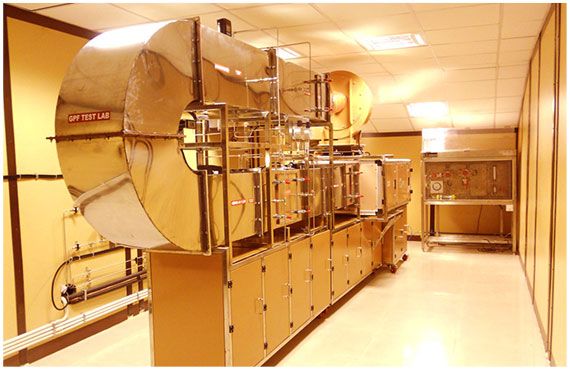
As the world grapples with the repercussions of climate change, the demand for sustainable architecture has surged, making green building practices more vital than ever. Evaporative cooling systems, known for their energy efficiency and environmentally friendly attributes, have become pivotal in enhancing the sustainability of green buildings. These systems utilize the natural process of evaporation to cool air, offering a viable alternative to traditional air conditioning systems that are often energy-intensive. This article delves into the role of evaporative cooling systems in green buildings and examines how they contribute to energy conservation, improved indoor air quality, and overall sustainability.
The Role of Evaporative Cooling in Green Buildings
Evaporative cooling systems play an integral role in green building designs. As sustainable building practices focus on reducing energy consumption, evaporative cooling offers a compelling solution due to its minimal energy requirements. This system is particularly effective in dry and arid climates where the cooling process harnesses the natural evaporation of water to lower air temperature.
- Energy Efficiency: Evaporative coolers use up to 75% less energy compared to conventional air conditioning systems.
- Environmental Benefits: By using water as a cooling medium, these systems reduce the reliance on refrigerants, which are often harmful to the ozone layer.
- Cost-Effective: Lower energy consumption translates to reduced utility bills, making evaporative cooling a cost-effective solution for building owners.
For more insights into energy-efficient cooling solutions, discover expert strategies here.
Enhancing Indoor Air Quality
One of the standout features of evaporative cooling systems is their ability to improve indoor air quality. Unlike traditional air conditioners that recirculate indoor air, evaporative coolers draw in fresh air from the outside, ensuring a constant supply of clean and filtered air. This process not only dilutes indoor pollutants but also increases the overall air quality within the building.
- Fresh Air Supply: Constant intake of fresh air helps in maintaining oxygen levels indoors.
- Humidity Regulation: Evaporative cooling adds moisture to the air, which is particularly beneficial in dry climates.
- Reduced Allergens: The filtration process helps in removing dust, pollen, and other airborne allergens.
To explore advanced guides and tips on maintaining excellent indoor air quality, learn about our tailored solutions.
Integration with Smart Building Systems
The integration of evaporative cooling systems with smart building technologies can further enhance their efficiency and effectiveness. Smart systems allow for automated control based on real-time data, optimizing the performance of the cooling system to match the building?s specific needs.
- Automated Controls: Smart thermostats can adjust the cooling output based on occupancy and temperature changes.
- Data-Driven Efficiency: Real-time monitoring enables predictive maintenance, reducing downtime and extending the system’s lifespan.
- Remote Management: Building managers can control and monitor the cooling system remotely, offering flexibility and convenience.
Find out more about this approach to integrating evaporative cooling with smart systems here.
The Future of Green Building with Evaporative Cooling
The future of sustainable architecture is bright with the integration of evaporative cooling systems. As awareness grows regarding the importance of reducing carbon footprints and enhancing energy efficiency, these systems are likely to become a staple in green building designs worldwide. The combination of cost savings, environmental benefits, and improved indoor air quality positions evaporative cooling systems as a key component of future-proof building strategies.
To dive deeper into sustainable building practices and innovative cooling solutions, explore advanced guides and tips.
In conclusion, evaporative cooling systems offer a sustainable and efficient solution for enhancing green buildings. By leveraging natural processes, they not only reduce energy consumption but also contribute to improved indoor air quality and environmental conservation. As the demand for green buildings continues to rise, the role of evaporative cooling systems will undoubtedly become more prominent, driving the industry towards a more sustainable future.