 By Ava Walters
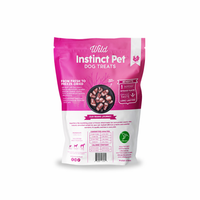
As pet owners become increasingly aware of their furry friends’ dietary needs, the focus on natural and nutritious treats has never been more significant. Among the variety of treats available, turkey hearts have emerged as a popular choice due to their nutritional benefits. These treats offer a rich source of essential nutrients that contribute to the overall health and well-being of dogs. By understanding the specific benefits of incorporating turkey hearts into a dog’s diet, pet owners can make informed decisions that enhance their pet’s quality of life.
Nutritional Benefits of Turkey Hearts
Turkey hearts are packed with nutrients that are crucial for a dog’s health. They are a natural source of high-quality protein, which is essential for building and maintaining muscle mass in dogs.
- Rich in Taurine: Important for heart health and vision.
- High in Protein: Supports muscle development and repair.
- Contains Iron: Essential for red blood cell production.
- Source of B-Vitamins: Supports energy metabolism and nerve function.
To explore advanced guides and tips on how turkey hearts can benefit your dog, find out more about this approach.
Health Benefits for Dogs
Improved Heart Health
Turkey hearts are particularly beneficial for maintaining heart health in dogs. The taurine content supports cardiovascular function, reducing the risk of heart disease.
Boosted Immune System
The vitamins and minerals found in turkey hearts help to strengthen the immune system, making dogs more resilient against infections and diseases.
Discover expert strategies here to learn more about how turkey hearts contribute to a healthier immune system.
Incorporating Turkey Hearts into Your Dog’s Diet
Introducing turkey hearts into a dog’s diet can be done in various forms, whether as a treat or a meal supplement. It’s essential to consider the appropriate portion size based on the dog’s size, age, and activity level.
- As a Treat: Serve turkey hearts as a reward during training sessions.
- Meal Supplement: Add small pieces to the dog’s regular meal for added nutrition.
- Freeze-Dried Options: Convenient and long-lasting for easy storage and feeding.
Learn about our tailored solutions for feeding turkey hearts by exploring this guide.
Considerations When Feeding Turkey Hearts
While turkey hearts are highly nutritious, it’s important to balance them with other components of a dog’s diet. Overfeeding any single type of treat can lead to dietary imbalances.
- Monitor Portion Sizes: Ensure treats do not exceed 10% of the dog’s daily caloric intake.
- Balance with Other Foods: Include a variety of proteins and nutrients in the diet.
- Consult a Veterinarian: Seek professional advice for dogs with specific health concerns or dietary needs.
For more advice on how to incorporate turkey hearts safely, explore advanced guides and tips.
By integrating turkey hearts into a dog’s diet, pet owners can offer a nutritious treat that supports overall health and wellness. Whether used as a tasty reward or a dietary supplement, turkey hearts provide essential nutrients that contribute to a dog’s vitality and longevity. As with any dietary change, it is beneficial to consult with a veterinarian to ensure the best outcomes for a pet’s health.