 By Ava Walters
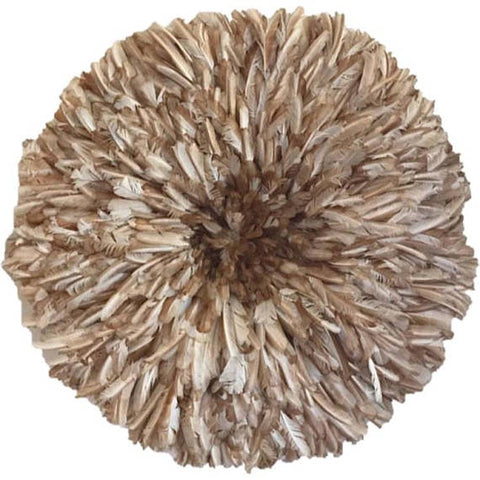
The African Juju Hat, also known as the Bamileke Feather Headdress, is a striking piece of traditional African art that has transcended its cultural origins to become a popular decorative item in modern homes. Originally crafted by the Bamileke people of Cameroon, these hats are rich in history and cultural significance. They reflect not only the artistic prowess of the artisans but also the deep-rooted traditions and beliefs of the Bamileke culture. This article delves into the historical significance and the symbolism behind the Juju Hat, providing insights into its popularity as a contemporary decorative item.
Historical Background of the Juju Hat
The Juju Hat has its origins among the Bamileke people, a group known for their vibrant culture and artistic expression. These headdresses were traditionally worn by royal dancers during important ceremonies and festivals, symbolizing prosperity and the beauty of life.
- The hats are made from natural feathers, which are meticulously sewn onto a raffia base.
- They are traditionally used in ceremonial dance rituals to celebrate and honor the ancestors.
- The intricate design and vibrant colors represent the wealth and status of the wearer.
To explore this rich historical context further, find out more about this approach.
Symbolism and Cultural Significance
The Juju Hat is more than just a decorative object; it holds profound symbolic meaning. In Bamileke culture, these hats are a representation of the divine, connecting the physical world with the spiritual realm.
Symbolism
- Feathers: Symbolize freedom, lightness, and a connection with the spiritual world.
- Colors: Each color used in the hats has a distinct meaning, often representing different aspects of life such as fertility, prosperity, and peace.
The Juju Hat is a testament to the deep-seated traditions and the respect for nature in African cultures. For those interested in incorporating these rich symbols into their own spaces, explore advanced guides and tips.
The Juju Hat in Modern Decor
In recent years, the African Juju Hat has gained popularity as a unique wall art piece in contemporary interior design. Its vibrant colors and striking textures add an exotic and elegant touch to any space.
Why Juju Hats?
- Versatility: They can be used in various settings, from living rooms to bedrooms, offering a pop of color and texture.
- Uniqueness: Each hat is handcrafted, ensuring that no two pieces are exactly alike.
- Connection to Culture: Incorporating a Juju Hat into decor is a way to honor African artistry and culture.
For those looking to integrate these stunning pieces into their homes, discover expert strategies here.
Conclusion
The African Juju Hat stands as a beautiful combination of artistic expression and cultural depth. Its journey from ceremonial headdress to a popular decor item is a testament to its timeless appeal and the universal appreciation of its intricate beauty and cultural significance. Those interested in exploring this unique piece further can learn about our tailored solutions to incorporate the Juju Hat into their personal spaces.