 By Ava Walters
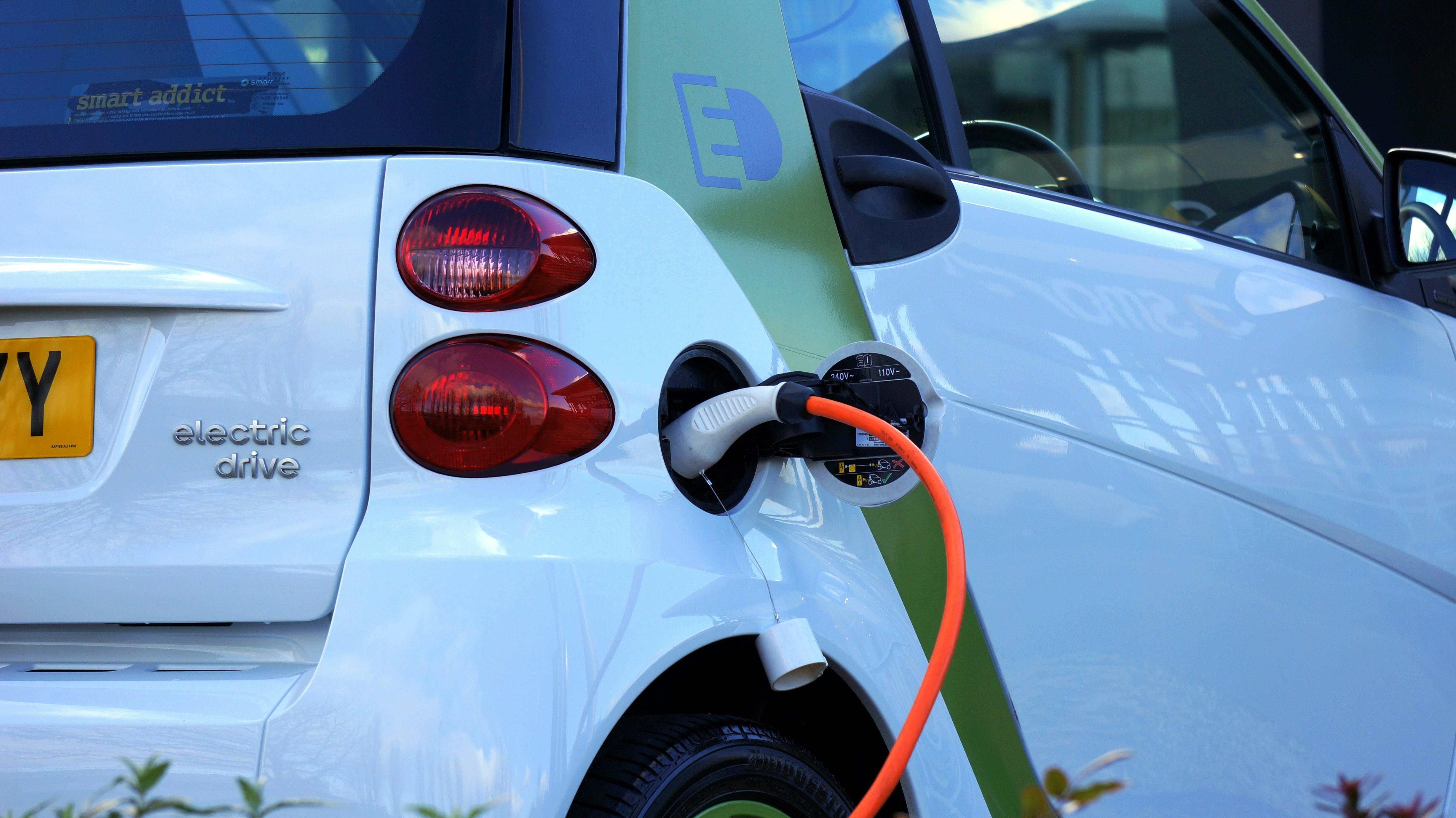
The rapid evolution of electric vehicles (EVs) has necessitated the development of equally advanced charging solutions. Among these, the 150kW DC fast charger stands out as a pivotal technology driving the transition to a more sustainable transportation future. This article delves into the efficiency of such chargers, examining their benefits, operational principles, and the impact they have on the electric vehicle ecosystem. As industries continue to innovate, understanding the intricacies of these chargers becomes crucial for both users and developers.
Understanding the Basics of 150kW DC Fast Charging
Fast chargers, particularly those with a capacity of 150kW, are designed to significantly reduce the time required to recharge an EV compared to standard AC chargers. These chargers employ direct current (DC) to deliver high power directly to the battery, bypassing the vehicle’s onboard converter.
Key Features of 150kW DC Fast Chargers
- High Efficiency: With a power output of 150kW, these chargers can replenish an EV battery from 20% to 80% in approximately 30 minutes, depending on the vehicle’s battery capacity.
- Compatibility: They are compatible with most modern EVs equipped with DC fast charging capabilities, making them versatile options for public charging stations.
- Advanced Safety Mechanisms: Integrated safety protocols ensure secure charging, preventing overcharging and protecting both the vehicle and user.
- Smart Features: Modern chargers often include network connectivity for remote monitoring and software updates, enhancing user experience and charger longevity.
Benefits of Deploying 150kW DC Fast Chargers
The deployment of 150kW DC fast chargers offers numerous advantages, facilitating the broader adoption of electric vehicles. Discover expert strategies here.
- Reduced Charging Time: The most significant advantage is the drastic reduction in charging times, making EVs more practical for long-distance travel.
- Increased Convenience: Fast charging stations installed in strategic locations, such as highways and urban centers, enhance accessibility and convenience for EV owners.
- Support for Electrification Goals: By providing efficient charging solutions, these chargers support the global push towards reducing carbon emissions and reliance on fossil fuels.
Challenges and Considerations
While the benefits are substantial, there are challenges and considerations that must be addressed to maximize the efficiency of 150kW DC fast chargers. To learn about our tailored solutions, click here.
- Infrastructure Requirements: The installation of fast chargers requires significant electrical infrastructure, including robust grid connections and adequate power supply.
- Cost: The initial investment for installing these chargers can be high, though cost efficiencies are realized over time through increased usage and reduced charging times.
- Battery Degradation: Fast charging can contribute to faster battery degradation if used excessively, highlighting the need for balanced charging practices.
Future Prospects and Developments
The future of 150kW DC fast charging is promising, with ongoing innovations aimed at enhancing efficiency and user experience. Explore advanced guides and tips here.
- Integration with Renewable Energy: Future developments may see these chargers integrated with renewable energy sources, like solar panels, to further reduce environmental impact.
- Improved Battery Technologies: Advancements in battery technology will likely complement fast charging, enabling even faster charging times and better battery life.
- Expanded Charging Networks: As demand for EVs increases, so too will the need for widespread charging networks, driving further investment in fast charging infrastructure.
The 150kW DC fast charger is more than a mere innovation; it is a cornerstone in the journey towards a more sustainable future. As the electric vehicle market expands, the role of efficient and reliable charging solutions cannot be overstated. Find out more about this approach here.