 By Ava Walters
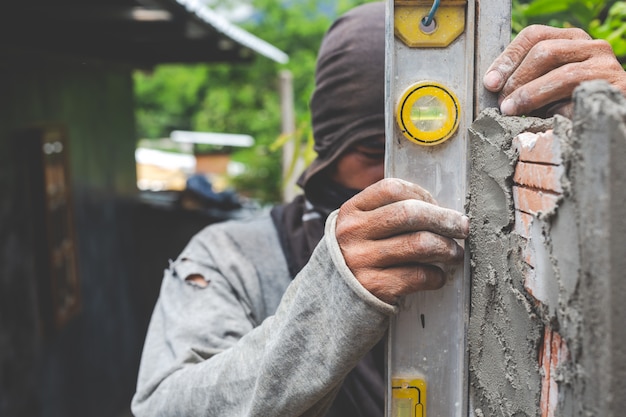
Foundation cracks are a common issue faced by many homeowners. These cracks can range from minor cosmetic concerns to serious structural problems. Understanding the causes, implications, and repair options is essential for maintaining the integrity of any building. This guide provides expert insights into foundation crack repair, offering homeowners a reliable resource to address this challenging problem.
Understanding Foundation Cracks
Types of Foundation Cracks
Foundation cracks can be categorized into several types, each with its unique characteristics and implications:
- Vertical Cracks: Often caused by concrete shrinkage and generally considered less concerning.
- Horizontal Cracks: Typically indicate serious structural issues and require immediate attention.
- Diagonal Cracks: Usually suggest differential settling of the foundation.
- Stair-Step Cracks: Common in brick or block foundations, indicating settlement or foundation movement.
Causes of Foundation Cracks
Identifying the root cause of foundation cracks is critical for effective repair. Common causes include:
- Soil Movement: Expansive soils can swell or shrink, leading to foundation stress.
- Poor Drainage: Excessive moisture can weaken the soil and increase hydrostatic pressure.
- Improper Construction: Inadequate materials or engineering can lead to foundational weaknesses.
- Natural Disasters: Earthquakes, floods, and other events can cause sudden shifts in the foundation.
Assessing the Severity of Cracks
Not all foundation cracks are created equal. Understanding their severity is crucial for determining the appropriate repair strategy. Homeowners should consider:
- Width of the Crack: Cracks less than 1/8 inch wide are typically minor, whereas wider cracks may signal serious issues.
- Location: Cracks in load-bearing walls are more concerning than those in non-structural areas.
- Movement: Active cracks that continue to widen require immediate professional assessment.
Repair Options for Foundation Cracks
DIY Solutions
For minor cracks, homeowners may consider some do-it-yourself solutions. Here are a few options:
- Epoxy Injections: Suitable for sealing small cracks and preventing water infiltration.
- Polyurethane Foam: Expands to fill cracks and provides a waterproof barrier.
However, DIY methods may not address the underlying cause of the cracks. For more advanced guidance, explore advanced guides and tips that might be useful.
Professional Solutions
Larger or more complex cracks require professional intervention. Here are some expert methods:
- Underpinning: Strengthens the foundation by extending its depth or breadth.
- Carbon Fiber Reinforcement: Provides additional support to cracked walls.
- Helical Piers: Used to stabilize foundations by anchoring them to more stable soil layers.
To ensure lasting results, learn about our tailored solutions to find the right fit for specific needs.
Preventative Measures
Preventing future foundation cracks is equally important. Consider these strategies:
- Maintain Proper Drainage: Ensure gutters and downspouts direct water away from the foundation.
- Soil Grading: Ensure the ground slopes away from the home to reduce water accumulation.
- Regular Inspections: Routine checks can identify potential issues before they become serious problems.
For more on preventive strategies, discover expert strategies here to keep your foundation intact.
Conclusion
Foundation cracks can pose significant risks if not addressed timely and effectively. Understanding the types, causes, and appropriate repair strategies is essential for maintaining a safe and stable home. By combining professional expertise with proactive measures, homeowners can protect their investment and ensure their property’s longevity. For comprehensive assistance and a deeper understanding of the repair methodologies, find out more about this approach to foundation crack repair.